


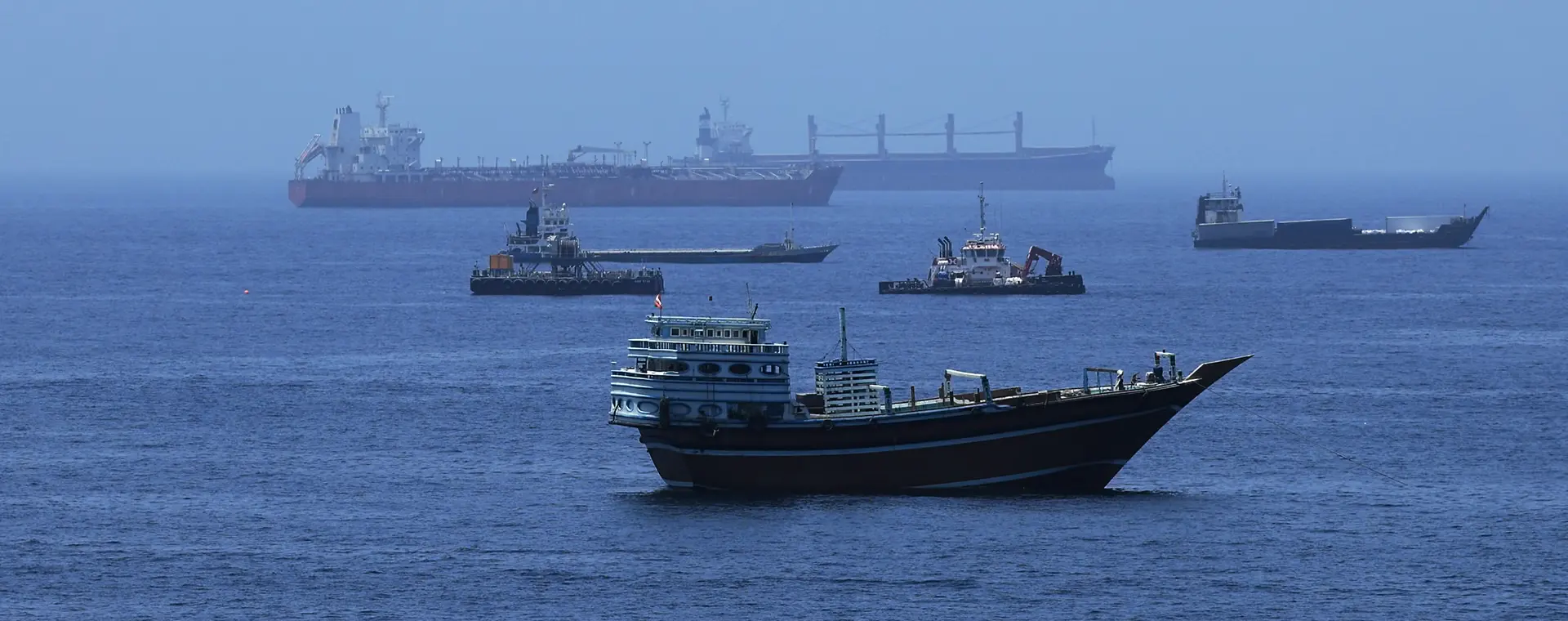
Hormuz Alternatives and Closed Room Backstage
While the lenses of the global press and radar screens were fixing their eyes on the burning waters of the Strait of Hormuz and watching with great concern Donald Trump's successive statements about imposing full control over this vital corridor that feeds the nerve of the international economy, there was another map drawing in the closed rooms behind the scenes narrow rooms that were entered only by strategists and heads of government who managed the scene with complete ingenuity away from the media bustle The Iranian-Israeli war and the accompanying real threats to paralyze maritime traffic and destroy global supply chains are just a traditional military confrontation that erupted to impose military influence or liquidate field accounts, but in essence it was the ideal diplomatic and security curtain to pass major geo-economic projects that were postponed for many years due to the political and security veto these plans that were seen before the war as impossible or a strike from the geopolitical imagination due to the security complexities and the legacy of the dark era of ISIS, which severed the region today He flows quietly, taking advantage of the global strategic preoccupation as he watches the threatened waterway explode at any moment, transforming direct military threats into the perfect logistical cover to reshape the political and economic geography of an entire region.
The severe economic consequences that have been inflicted on the world as a result of the disruption of trade in the Strait of Hormuz and the rise in the cost of maritime insurance to unprecedented record levels have accelerated the search for inevitable and practical alternatives on the ground that go beyond the traditional water chokepoints. While Trump was directing the attention of the international community towards the Strait and announcing from time to time his plans to control it or besiege it militarily, the diplomatic and logistical machine was working behind the scenes to restore life to the historical land arteries that were cut off after 2014 by the terrorist expansion and political unrest. These moves were represented in reviving the path of Syria and Jordan as an alternative and sustainable land trade line linking the ports of the Arabian Gulf and Iraq to the Mediterranean coast, a deep strategic shift that bypassed political obstacles and previous frozen agreements under the banner of saving the regional economy and securing the flow of goods away from the fears of the maritime blockade and the tanker war Under the auspices of the closed rooms, it has transformed into a sustainable logistics and security environment supported by flexible customs agreements and field understandings with the actors on the ground to ensure the flow of trucks and supply chains that were disrupted by the war of waterways in the south.
These successive events and the new land lines would not have passed or settled smoothly on the ground without formulating a complex and balanced equation of interests that would satisfy the influential regional powers in the north and ensure their neutrality or positive engagement. This was clearly evident by agreeing to provide Turkey with 1 million barrels of oil per day as part of the new regional energy arrangements and ensuring the flow of exports at preferential prices through pipelines and land routes. This strategic step was not just a fleeting commercial deal to extinguish Ankara's oil thirst or meet its growing industrial needs, but it was a carefully studied political and geopolitical safety valve that ensures the Turkish state's involvement in protecting new supply lines and securing the northern borders of the newly created trade routes. This smart arrangement around Turkey, from a concerned observer of developments and a potential source of logistical or military threat to a live partner and a direct beneficiary of post-war arrangements, which explained the sudden military calm that has clousted on the fronts of the northern Syrian and Iraqi fronts, in conjunction with the activation of these major land cargo flows through it.
And on the other hand, the political and security repercussions that followed this war and culminated in intensive media talk and organized leaks about the possibility of a US or Israeli nuclear strike against Iran do not differ in their analytical reality from being a maximum and innovative pressure tool belonging to the framework of psychological and political wars aimed at placing the decision-maker in Tehran under a suffocating psychological and strategic siege that forces him to accept the new geo-economic equation and give up his traditional influence without showing fierce field resistance through his regional arms spread in the region. The major powers that engineered this comprehensive regional transformation are well aware that direct and open conventional wars with Iran cost too much on the global financial system and the already exhausted international economy cannot bear its destructive consequences on energy facilities and oil and gas fields in the Gulf Through advanced technological and cyber means, the infrastructure is paralyzed and happens in complete silence without the need to move a tractor or fire a single shell.
Monitoring trans-border truck traffic and energy flows across the newly established lines provides compelling evidence that the landscape of the Middle East is changing today with quiet, silent paths away from the noise of air and ground battles.
The closed-chamber plans have turned the intractable crisis in the Strait of Hormuz into a historic opportunity to redraw international trade, distribute energy quotas in new proportions, and build deep alliances based on the language of numbers and mutual interests rather than ideological slogans.
This new reality reshapes the economic map of the region and gives the countries based on these land routes, especially Iraq, Jordan, and Syria, a pivotal role as a logistical bridge linking the East with the West. In the midst of this transformation, the world finds itself in front of a new regional system made entirely behind closed scenes, a system whose coverage of the media was not revealed until new maps of influence were established on the ground and trade began to flow smoothly in its new arteries, confirming that wars in modern times are no longer fought to win immediate military battles, but to re-engineer the global political economy and secure future supply corridors.
Recent developments have proven that the language of customs and oil interests is the main driver of geopolitical shifts, and that freezing traditional military conflicts on multiple fronts was a deliberate preliminary step to allow logistical machinery to work and build the necessary infrastructure for land and rail connectivity. Turkish interests merged with the new Arab routes in conjunction with the neutralization of traditional strengths through internal cyber and economic pressures. This represents the peak of modern strategic planning that depends on calm and work behind the scenes, leaving television screens abuzz with news of battles while real maps are dug on the asphalt and railway lines that connect the ports of the region with the heart of the European continent, ending a historical era of dependence on narrow waterways and beginning an era of interconnected continents overland across the geography of the reshaped Middle East.
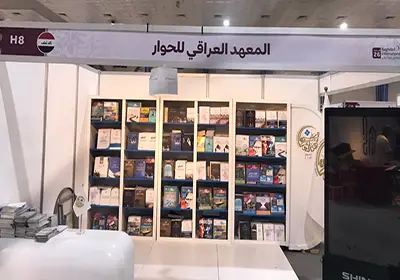
The Iraqi Institute for Dialogue, the logistical sponsor of the Baghdad International Book Fair, opens its own pavilion at the fair
Official agreement between Iraqi Institute for Dialogue and the Iraqi Media Network to sponsor The Seventh Annual International Conference of “Baghdad Dialogue” 2025
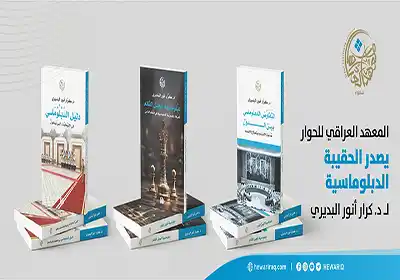
The Iraqi Institute for Dialogue publishes "The Diplomatic Portfolio" by Dr. Karrar Al-Badiri
Invitation to the 79th issue of Dialogue of Thought
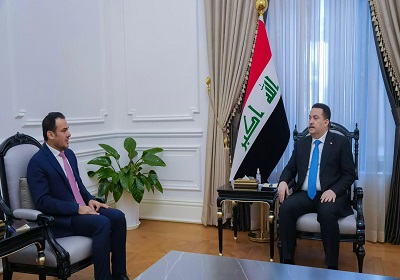
Prime Minister: The path of development will make Iraq a regional political and economic powerhouse
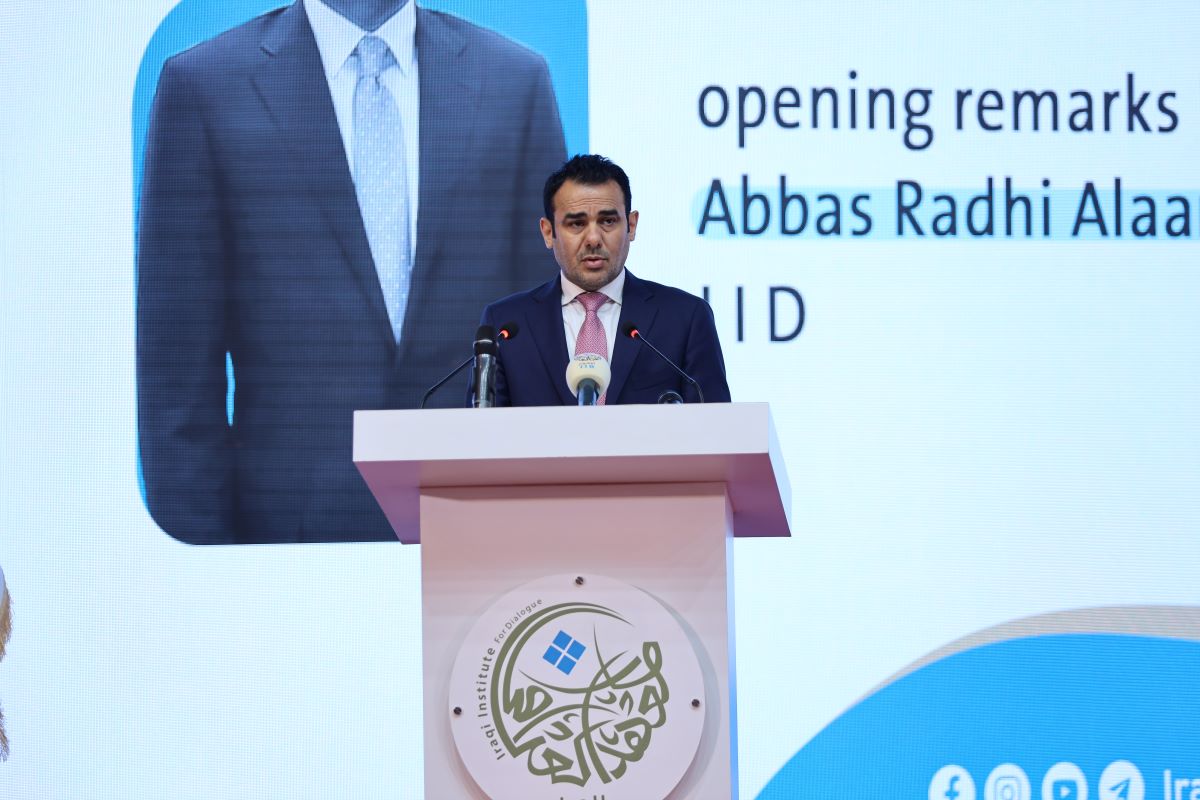
Speech of the Director of the Iraqi Institute for Dialog at the Sixth Baghdad International Dialog Conference
Seventh Baghdad International Dialogue Conference Call for Papers
Comments