


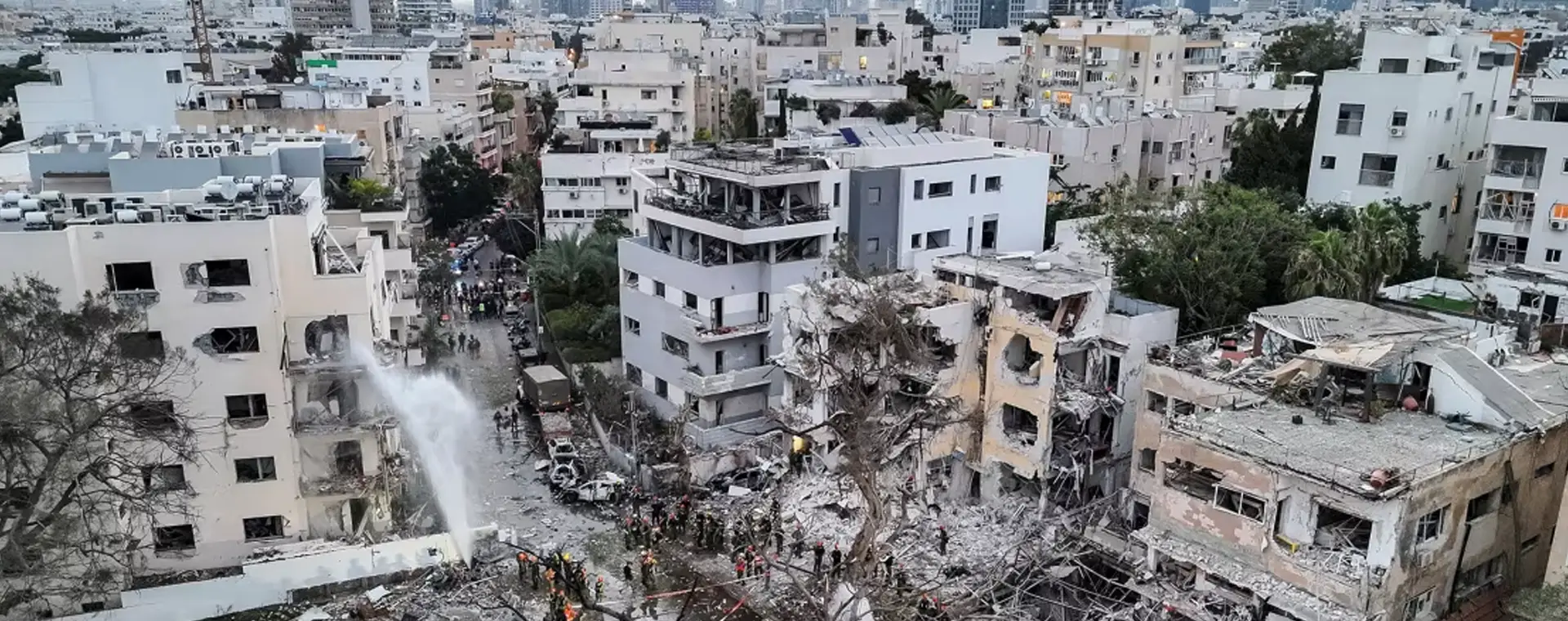
Analysis: Matthew Chance, Senior Global Affairs Correspondent
Is diplomacy the end of the Iran-Israel confrontation?
In light of the military escalation between Israel and Iran, the escalation of intense strikes and the sequence of reciprocal responses raises acute questions about Israel's strategy to exit this conflict and achieve its ambitious goals.
Despite Israel's initial successes in targeting Iranian military and nuclear sites and destroying sensitive facilities, violent Iranian reactions resulted in dozens of Israeli deaths and injuries, reflecting the complexity of the Israeli mission to achieve its goals without further escalation.
At the same time, the United States refuses to participate directly in military operations against Iran, only assisting Israel in defending against Iranian missiles, leaving Tel Aviv with a major challenge in completing its military objectives without full U.S. support.
An Israeli source confirmed to CNN that "the end will be diplomatic, not military," expressing Israel's hope that the ongoing military operations will weaken Iran's ability to negotiate in any future nuclear talks.
This theory that military pressure forces an opponent to make concessions has failed in the past against Hamas in Gaza, but the reference to nuclear negotiations as a potential option reflects a shift in Israeli thinking.
From the beginning of Israel's unprecedented strikes, a clear goal was set: The permanent elimination of the Iranian nuclear and missile threat, which is considered existential for Israel. No time frame has been set for the realization of this military objective.
But this ambition, which relies heavily on US military support, has been hampered by the United States' refusal to be drawn into a new war in the region. US President Donald Trump's statements show his reticence to involve his country in a new conflict, despite Israeli pressure to increase involvement.
Trump has rejected an Israeli plan to assassinate Iran's Supreme Leader Ali Khamenei. Instead, he insists on his role as a mediator to end the conflict, citing his success in mediating between India and Pakistan, but struggles with Israel in providing the required military support.
Despite killing key nuclear scientists and striking enrichment facilities, Israel's ability to permanently damage Iran's nuclear program remains limited, especially with fortified underground facilities such as the Verdo reactor.
The absence of direct U.S. military support, especially in the areas of logistics and specialized weapons, gives Iran a chance to survive despite the intensive Israeli campaign.
Moreover, even if all facilities are destroyed, Tehran is likely to rebuild them using its institutionalized nuclear expertise and may prefer a deterrent nuclear regime to renegotiation.
Israeli Prime Minister Benjamin Netanyahu has called on Iranians to rise up against their government, but a military campaign typically elicits national sympathy for even the most authoritarian regimes, with interviews inside Iran suggesting growing popular resentment toward Israel rather than the ruling regime.
The conflict is still in its infancy, and things can still change, whether by an uprising inside Iran, a resumption of nuclear negotiations, or a change in Trump's position.
But as in the ongoing conflict in Gaza since 2023, the Israelis are now engaged in a dangerous war of attrition with Iran, with no clear timetable or known exit strategy.

The Iraqi Institute for Dialogue, the logistical sponsor of the Baghdad International Book Fair, opens its own pavilion at the fair
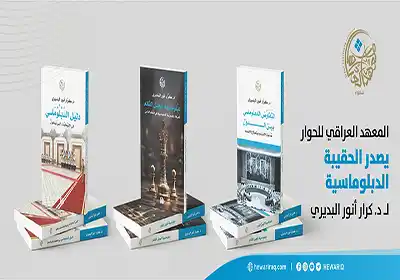
The Iraqi Institute for Dialogue publishes "The Diplomatic Portfolio" by Dr. Karrar Al-Badiri
Official agreement between Iraqi Institute for Dialogue and the Iraqi Media Network to sponsor The Seventh Annual International Conference of “Baghdad Dialogue” 2025
Invitation to the 79th issue of Dialogue of Thought
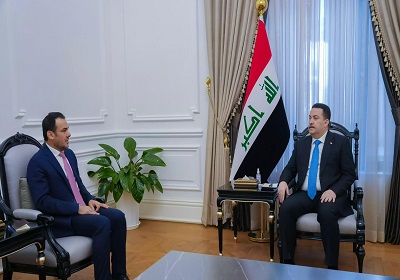
Prime Minister: The path of development will make Iraq a regional political and economic powerhouse
Seventh Baghdad International Dialogue Conference Call for Papers
Praise for the Baghdad International Dialogue: Strengthening Iraq's pivotal role and a meeting point for visions
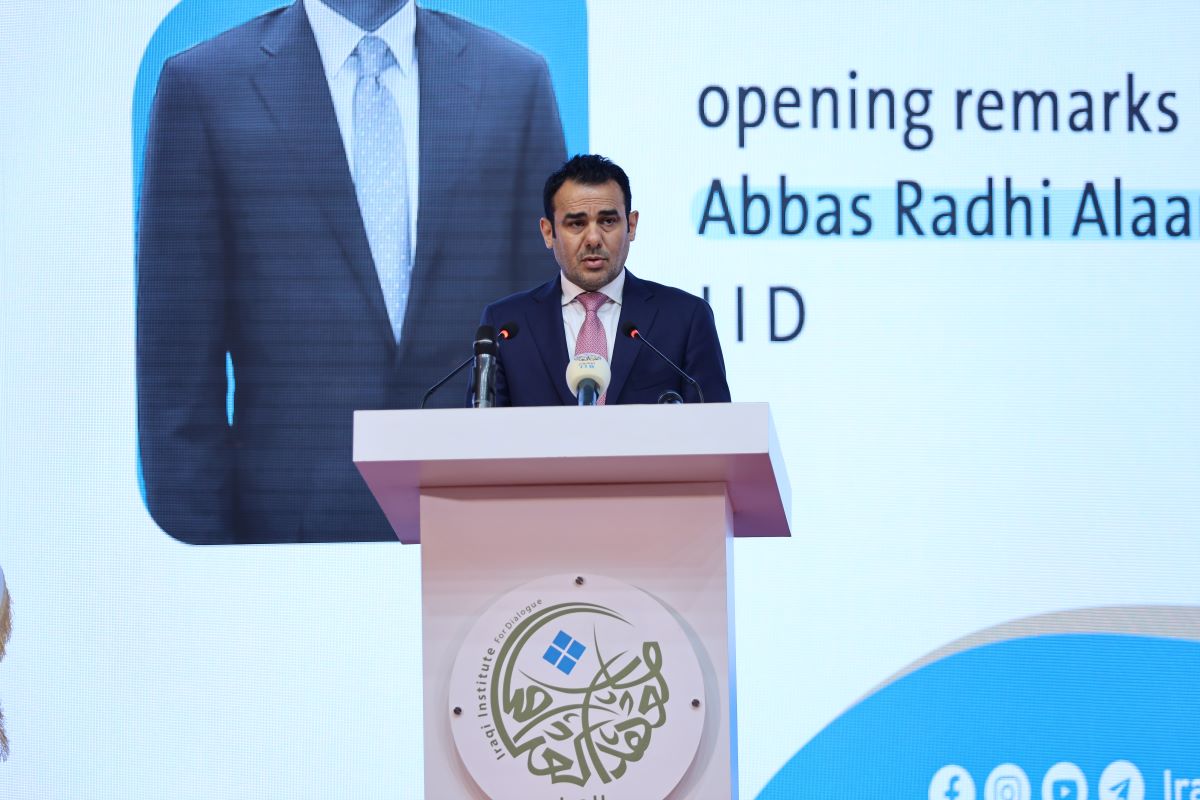
Comments