



Translation: Iraqi Institute for Dialog
New trade deal between Washington and Islamabad Economic partnership or transitory deal?
In a move that has caught the attention of observers, the United States and Pakistan have announced the signing of a new trade agreement aimed at boosting economic cooperation and opening up new avenues for investment between the two sides. The agreement comes at a sensitive time, as Pakistan faces domestic financial and economic pressures, while Washington seeks to expand its commercial influence in South Asia, amid growing competition with China.
The deal: What are the key terms of the deal?
According to the joint statement issued by the two governments, the new agreement includes the following points:
Reducing customs duties on a number of basic commodities traded between the two countries.
Encourage U.S. investment in Pakistan's infrastructure, energy, and technology sectors.
Expanding training and technology transfer programs, particularly in cybersecurity and artificial intelligence.
Facilitating access to the U.S. market for Pakistani products, boosting exports of textiles and agricultural products.
Although the agreement is not categorized as a "free trade agreement," it paves the way for a significant expansion of bilateral trade relations.
The political and economic motivations behind the agreement:
On the Washington side:
Limiting China's economic influence in Pakistan, especially through the Belt and Road Initiative.
Contain Russian-Chinese expansionism in South Asia by strengthening its ties with pivotal Muslim countries.
Creating commercial and strategic alternatives after the withdrawal from Afghanistan.
On the Islamabad side:
Diversify economic partners and reduce reliance on China and the IMF.
Attracting foreign investment to stimulate an economy suffering from inflation and low growth.
Improving the country's international image and emphasizing its commitment to stability and international partnership.
Are we facing a strategic shift?
Despite the positive language that accompanied the announcement of the agreement, it is too early to talk about a "strategic shift" in the relationship between the two countries. The relationship between Washington and Islamabad has always been volatile, oscillating between conditional security cooperation and economic pressure. But the timing of the agreement suggests a mutual desire to redefine the relationship away from the purely security-oriented nature that dominated it in the post-9/11 era.
Possible challenges:
Internal opposition in Pakistan, especially from those who see the rapprochement with Washington as a threat to national sovereignty.
Reaction from China, Pakistan's top trading partner, which may see the deal as a step toward aligning Islamabad with the West.
The instability of the Pakistani political landscape and the possibility that the priorities of the next government may change.
Conclusion:
The new trade agreement between the United States and Pakistan is not just an economic deal, but an indication of Washington's attempts to reposition itself in South Asia. While the road to a strategic partnership is still fraught with obstacles, the agreement represents an opportunity for both Islamabad and Washington to rebuild a relationship based on shared economic interests, not just security imperatives.
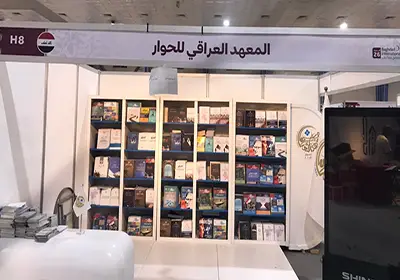
The Iraqi Institute for Dialogue, the logistical sponsor of the Baghdad International Book Fair, opens its own pavilion at the fair
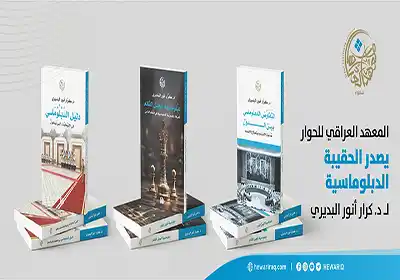
The Iraqi Institute for Dialogue publishes "The Diplomatic Portfolio" by Dr. Karrar Al-Badiri
Official agreement between Iraqi Institute for Dialogue and the Iraqi Media Network to sponsor The Seventh Annual International Conference of “Baghdad Dialogue” 2025
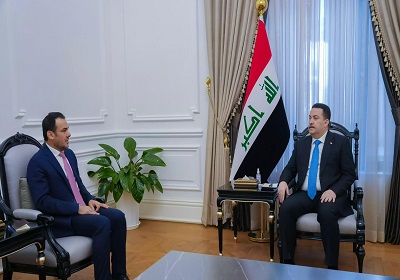
Prime Minister: The path of development will make Iraq a regional political and economic powerhouse
Invitation to the 79th issue of Dialogue of Thought
Seventh Baghdad International Dialogue Conference Call for Papers
Praise for the Baghdad International Dialogue: Strengthening Iraq's pivotal role and a meeting point for visions
Comments