


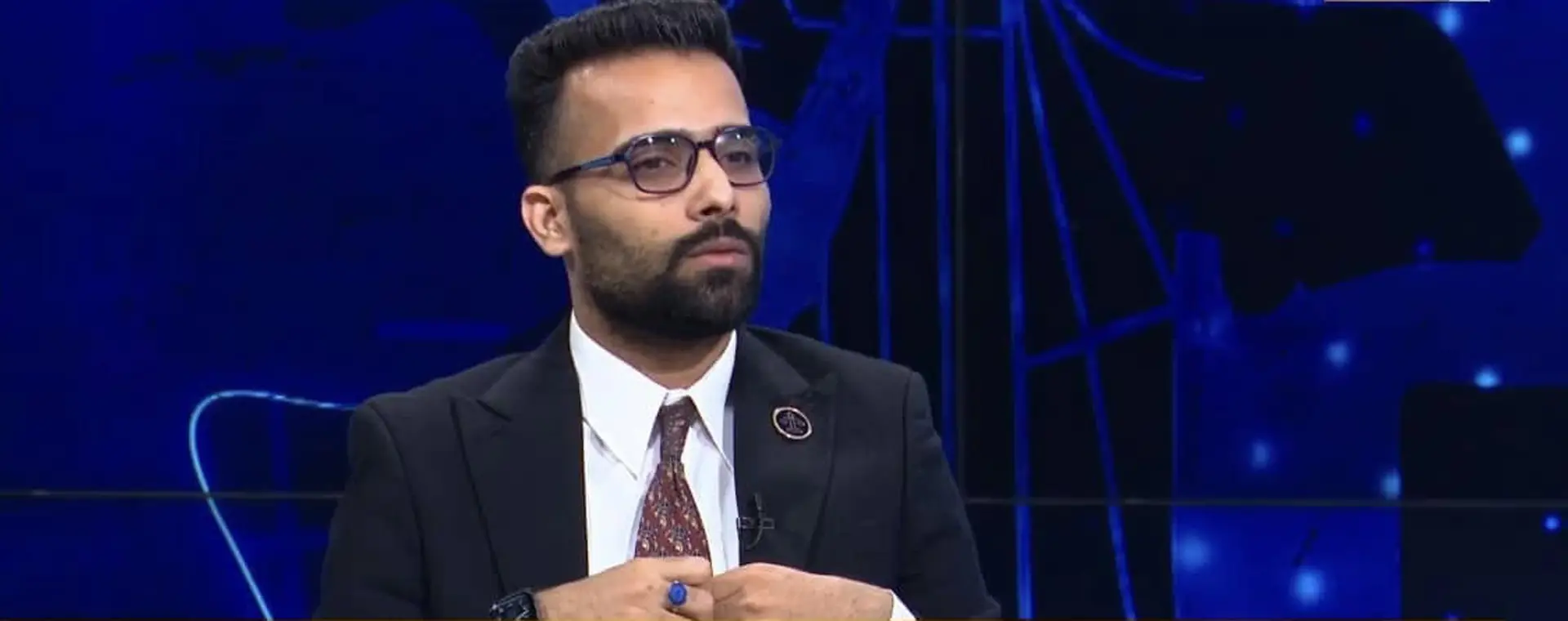
By Dr. Hussein Al-Mawla
Algorithmic Elections
There is no doubt that electoral activity is one of the forms of constitutional practices recognized by the Iraqi Constitution of 2005, as political participation represents an inherent right stipulated in the constitution and a basic guarantee to embody the principle of the sovereignty of the people. However, this activity, like any democratic practice, may be exposed to threats and risks, especially with the rapid technological developments that allow the use of advanced digital tools to undermine voter confidence or distort the image of political participation.
Among the most prominent of these risks is the ability of generative AI to produce high-resolution misleading content, in what is known as deepfake, through which images, videos, audio recordings, or documents can be created with a realistic appearance that mimics the truth with great accuracy, so that a person's body, voice, or facial expressions can be imitated, or statements and positions attributed to public figures that were not actually made by them, making it difficult for the average citizen - and sometimes even a specialist - to recognize their falsity.
The use of these technologies in the context of electoral campaigns, whether for the purpose of misleading the voter or influencing the election results, represents a direct threat to the freedom of political choice, undermines the pillars of modern democracy, and violates the principle of equal opportunities between candidates, so it becomes imperative for the Iraqi legislator or the executive digital authorities to pay attention to these digital-political risks and establish clear legal frameworks that limit their misuse, while striking a balance between protecting the electoral process and not compromising the freedom of people to create digital content, especially satirical content or legitimate political criticism, which remains a manifestation of the freedom of
In this context, we can refer to one of the important international experiences, what happened in Romania in 2024, when the Constitutional Court decided to invalidate the first round of the presidential elections, after it was proven that there was manipulation of voting processes and non-transparent use of digital technologies and artificial intelligence in election campaigns, which the court considered a violation of the principle of equal opportunities between candidates and undermining the integrity of the electoral process, representing one of the bad images and illegal use of artificial intelligence.
It is important to note that it is necessary to enhance awareness by spreading digital culture among voters to raise their awareness of distinguishing between real and fake content, with the possibility of opening a wide digital horizon in light of the proximity of the electoral campaign in Iraq to cooperate with technology companies to combat the spread of misleading content quickly and effectively, thus, a delicate equation can be achieved that balances the protection of the democratic process.

The Iraqi Institute for Dialogue, the logistical sponsor of the Baghdad International Book Fair, opens its own pavilion at the fair
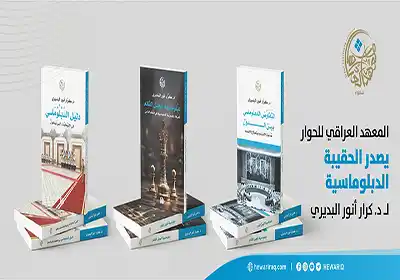
The Iraqi Institute for Dialogue publishes "The Diplomatic Portfolio" by Dr. Karrar Al-Badiri
Official agreement between Iraqi Institute for Dialogue and the Iraqi Media Network to sponsor The Seventh Annual International Conference of “Baghdad Dialogue” 2025
Invitation to the 79th issue of Dialogue of Thought
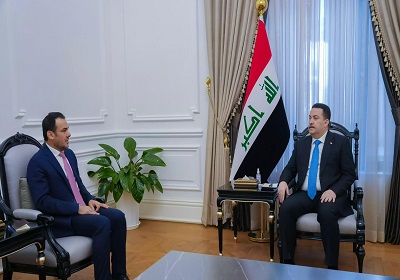
Prime Minister: The path of development will make Iraq a regional political and economic powerhouse
Seventh Baghdad International Dialogue Conference Call for Papers
Praise for the Baghdad International Dialogue: Strengthening Iraq's pivotal role and a meeting point for visions
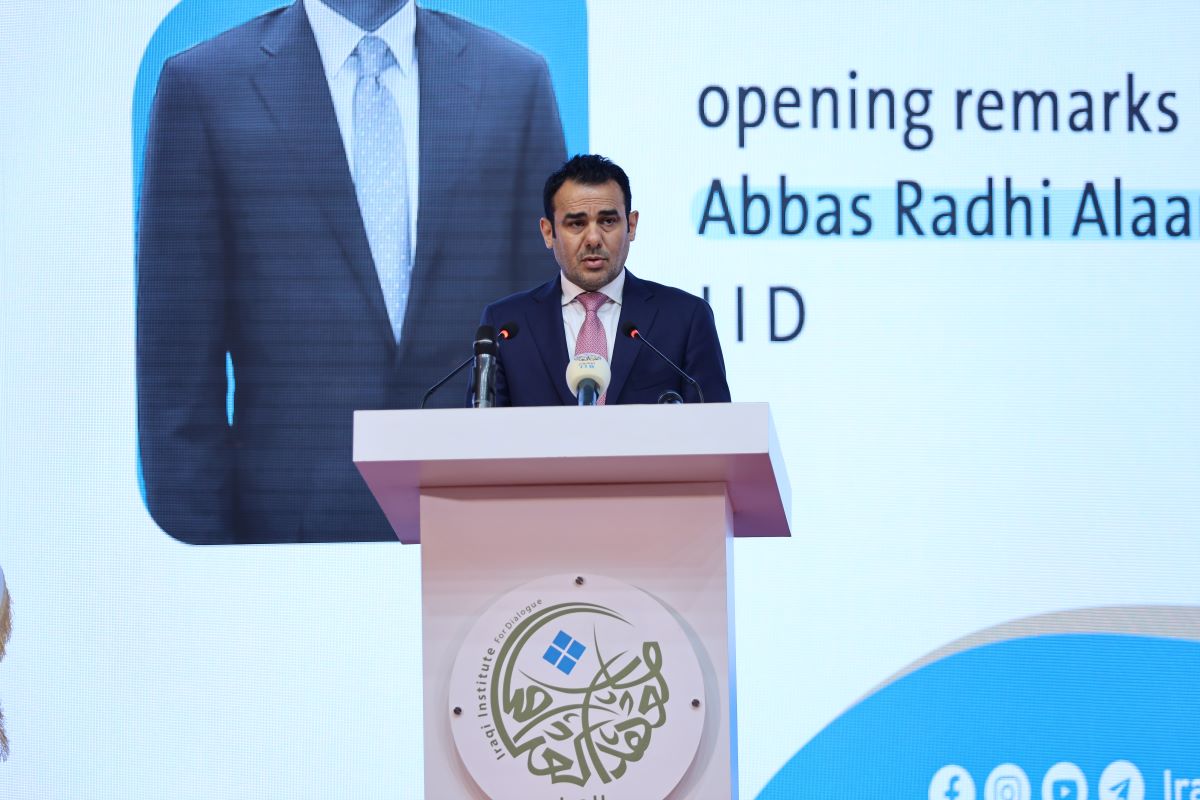
Comments