

Translation: Iraqi Institute for Dialog
Iraq's "Development Road" Opportunity or Crisis for Iran?
In a note to Iranian Diplomat, Abolfazl Hosseini Nik writes: "The Iraqi Development Road is a strategic project with profound implications not only for Baghdad, but for the entire region. For Iran, this project, while providing opportunities for economic engagement and transportation, also represents a serious threat to the country's geopolitical standing. In such circumstances, a laissez-faire policy would be costly."
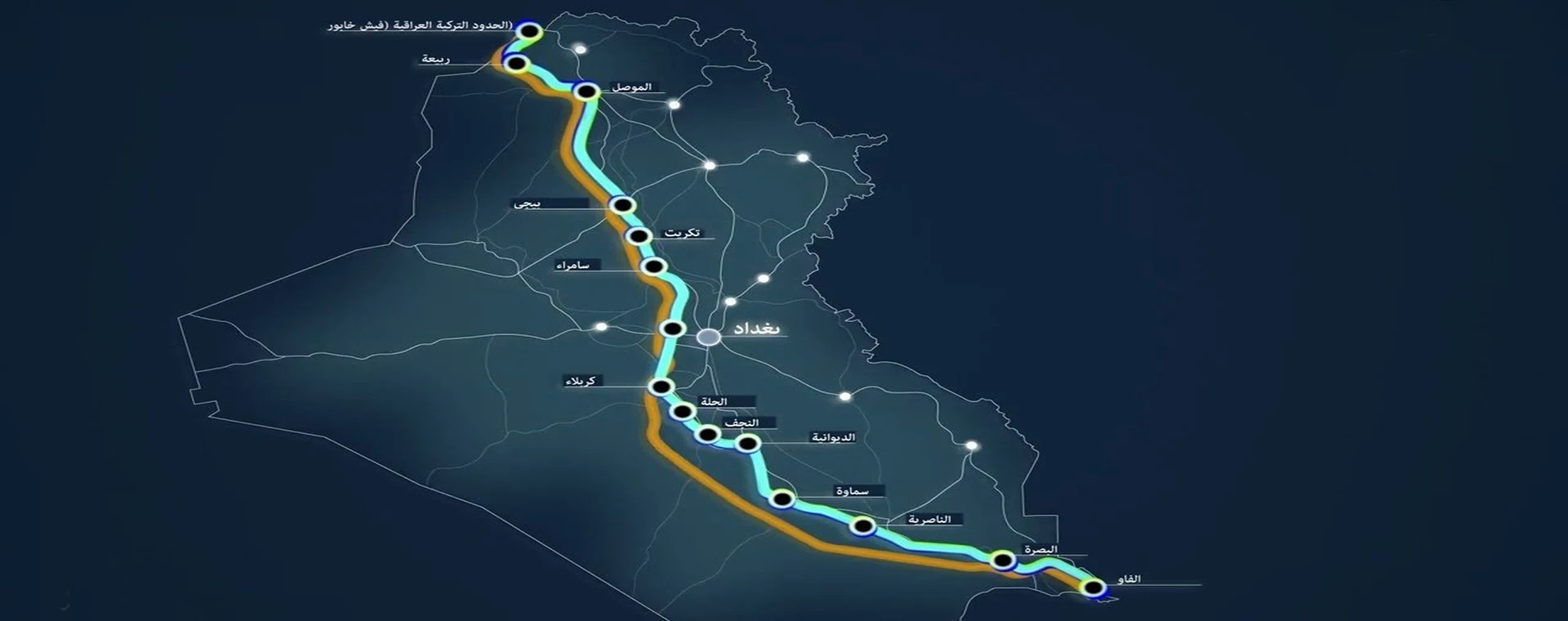
Iraq's "Development Road" project, which starts from the southern port of Faw and connects via rail and road to Turkey and Europe, is one of the most important transportation initiatives in the Middle East in recent years. The project, which Baghdad sees as the backbone of its future economic development, is supported by regional countries such as Turkey, the United Arab Emirates, and Qatar, as well as some extra-regional actors. The Iraqi development road seems to have the potential to redefine geopolitical economic balances in the region. The key question here is: what opportunities and threats will this project hold for Iran?
As the starting point for the project, Faw Port is expected to become one of the largest ports in the region, with an annual capacity of tens of millions of tons of cargo. Through this project, Iraq seeks to become a transportation hub between the Persian Gulf and Europe and reduce its heavy reliance on crude oil exports. The proposed route is 1,200 kilometers of rail and road linking Faw through Iraqi territory to the Turkish border, and from there to the European transportation network.
On the political level, this project is a tool for Baghdad to enhance its international standing and minimize the unilateral influence of external powers over its critical infrastructure. At the same time, Turkey sees the development route as a complement to its "transportation hub" policy, while the Gulf states, by investing in this project, seek to diversify their trade routes.
Opportunities and threats to Iran
Despite the competitive nature of the Iraqi Development Road project, this scheme holds potential for Iran as well. Linking railroad networks in western Iran to the main route of this corridor could open the door to exporting Iranian goods directly to Europe and alleviate sanctions pressure.
Moreover, the experience of Iranian technical and engineering companies in railway and port projects provides a suitable opportunity to participate in the construction and operation of the road's infrastructure. At the same time, the development of this corridor could enhance energy cooperation between the two countries, especially in the field of exporting Iranian electricity and gas to Iraq under long-term contracts.
Adding such capabilities could enable Iran to solidify its position as a complementary link in the Eurasia-Mediterranean corridor chain, and benefit from linking the development route to other projects such as the North-South Corridor or China's Belt and Road Initiative.
However, the project's geopolitical and economic threats to Iran should not be ignored. If the development route is successful, a significant portion of the trade from the Persian Gulf to Europe will no longer pass through Iran. In addition, through this corridor, Iraq will reduce its dependence on Iranian routes, weakening Tehran's geopolitical influence in bilateral relations. In addition, through this corridor, Iraq will reduce its dependence on Iranian routes, weakening Tehran's geopolitical influence in bilateral relations.
At the same time, Turkey, as the final access point for this route, and the Gulf states, as major investors, will strengthen their geopolitical and economic position in regional equations, which could lead to the gradual marginalization of Iran.
Another important threat is the overlap of this project with projects outside the region such as the India-Middle East-Europe Economic Corridor (IMEC), which clearly bypasses Iran and forms a new structure for global transportation networks without the presence of Tehran.
Laissez-faire policy is costly
The Iraqi Development Road is a strategic project with profound implications not only for Baghdad, but for the entire region. For Iran, this project, while providing opportunities for economic engagement and transportation, also represents a serious threat to the country's geopolitical standing. In such circumstances, a laissez-faire policy would be costly. Through a proactive approach of sub-connecting to the corridor, participating in infrastructure investments, and strengthening its position in complementary corridors, Iran can prevent its gradual marginalization from the region's transportation network. Otherwise, the risk of Iran's marginalization in regional geoeconomic competition will become ever greater.
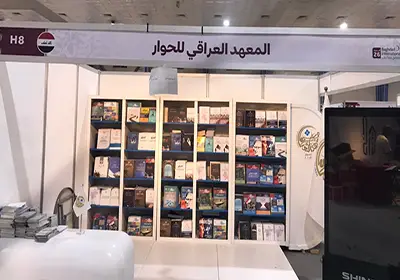
The Iraqi Institute for Dialogue, the logistical sponsor of the Baghdad International Book Fair, opens its own pavilion at the fair
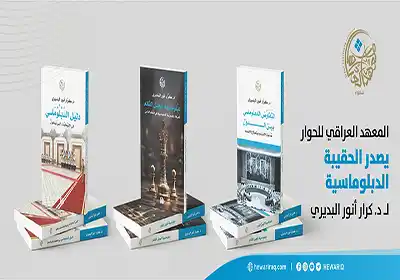
The Iraqi Institute for Dialogue publishes "The Diplomatic Portfolio" by Dr. Karrar Al-Badiri
Official agreement between Iraqi Institute for Dialogue and the Iraqi Media Network to sponsor The Seventh Annual International Conference of “Baghdad Dialogue” 2025
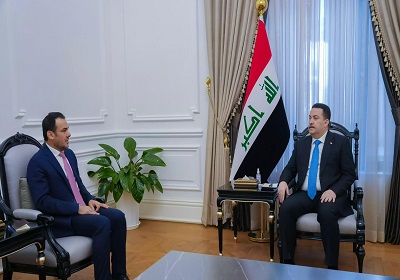
Prime Minister: The path of development will make Iraq a regional political and economic powerhouse
Invitation to the 79th issue of Dialogue of Thought
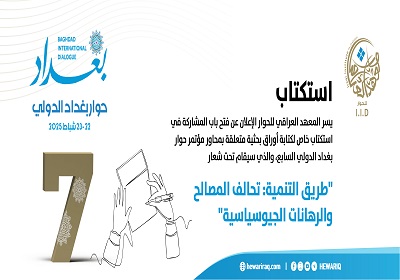
Seventh Baghdad International Dialogue Conference Call for Papers
Praise for the Baghdad International Dialogue: Strengthening Iraq's pivotal role and a meeting point for visions
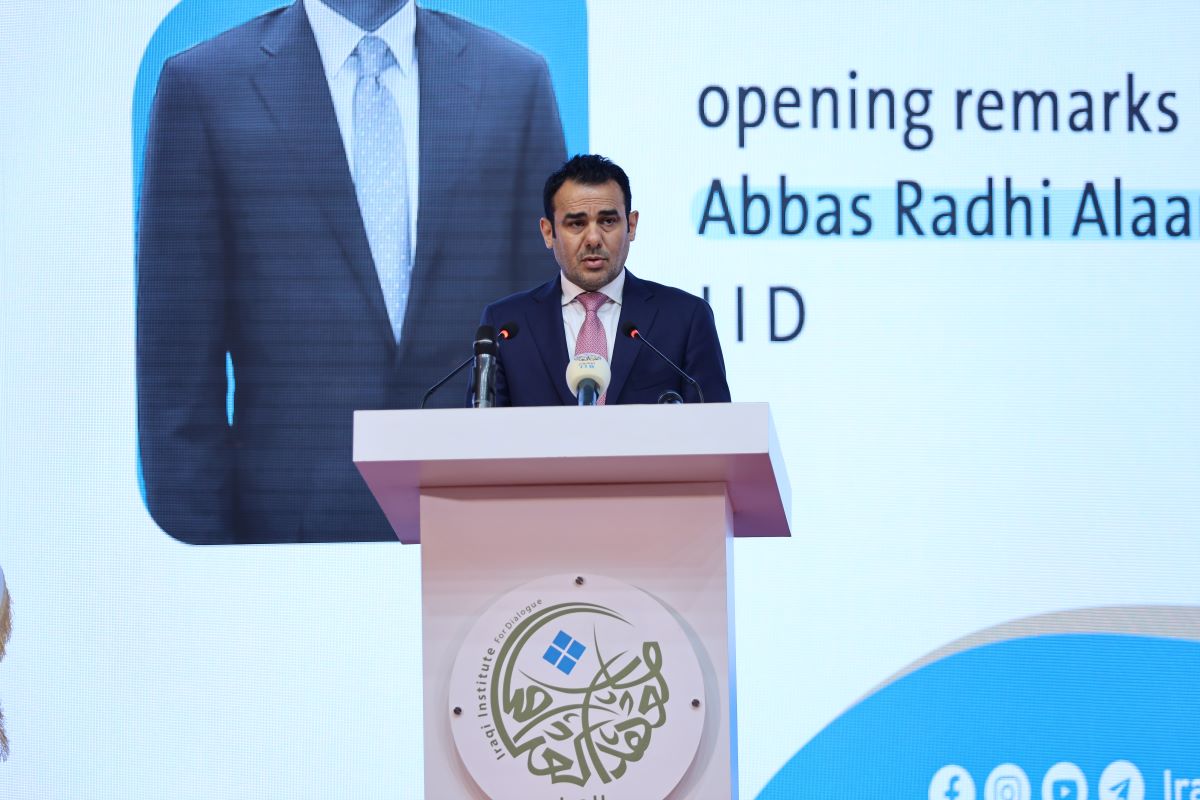
Comments