


By Bushra Ikram, Researcher at the Center for International Strategic Studies (CISS) - Translation by the Iraqi Institute for Dialog
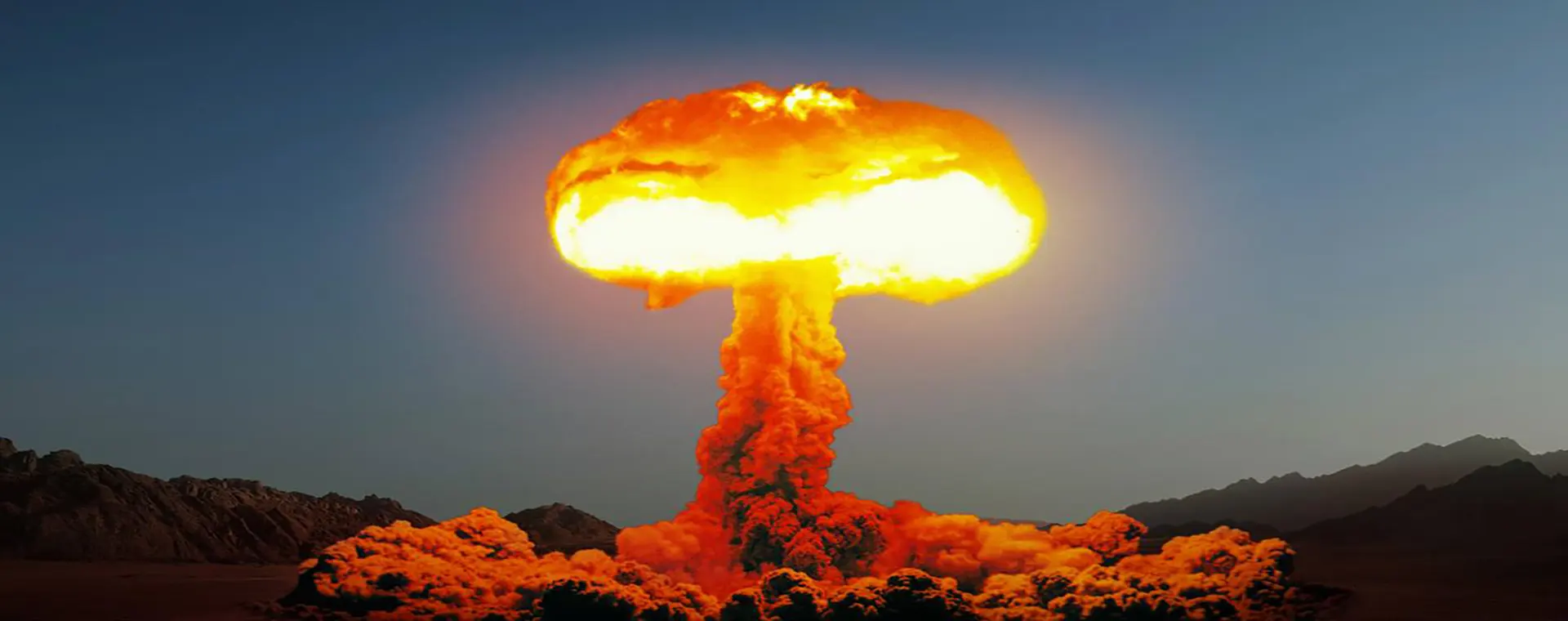
U.S. and Russia on the brink of a new nuclear arms race
The New Strategic Arms Reduction Treaty (New START), the only remaining bilateral agreement between the United States and Russia, is set to expire on February 5, 2026. The treaty was signed in 2010 and entered into force in 2011, covering about 90 percent of the world's nuclear weapons.
The treaty was set for ten years with a one-time extension option for five years, and this option was activated in 2021. But after the outbreak of the war in Ukraine, the treaty was postponed, and its status remains unchanged until today, raising questions about the future of arms control between the two countries, and raising experts' fears of a new Cold War-style arms race.
In 2022, after the outbreak of war in Ukraine, Russia suspended its participation in the treaty due to US military support for Kiev, accusing Washington of violating the treaty and trying to achieve a strategic defeat. Moscow stated that the US removed more than 100 units of its strategic offensive weapons from the treaty's calculations without any mutual verification, and did not allow Russia to verify its facilities while it sought to inspect US facilities. Despite the suspension of the treaty, the parties adhered to the set limits, but the treaty's bilateral consultative committee remained inactive, leading to a deterioration of relations in the field of arms control.
With the return of President Donald Trump to the White House for a second term, there are hopes of easing tensions between Moscow and Washington, especially after the start of ceasefire negotiations over Ukraine. In February 2025, Trump expressed his desire to resume discussions on arms control with Russia, while Democratic lawmakers called on Secretary of State Marco Rubio to renew the New START treaty.
In January 2025, Moscow's spokesperson, Dmitry Peskov, confirmed Russia's desire to resume talks in the interest of the world. However, with the failure of the ceasefire negotiations, both sides are showing less interest in arms control discussions, with Russian Deputy Foreign Minister Sergei Ryabkov emphasizing that current conditions do not allow for a full resumption of the treaty.
Concurrent with these tensions, both the United States and Russia are modernizing their nuclear forces and their means of delivery, which could lead to a new arms race. In the United States, the Defense Department has invested in modernizing more than 200 state-of-the-art nuclear weapons, and Trump launched the "Golden Dome" missile defense project to counter air threats, especially from Russia and China, which Russia's deputy foreign minister saw as an impediment to arms control talks.
In return, Russia has developed its nuclear programs such as the Avangard hypersonic glide missile program, the Poseidon naval missile, and the Borivestnik intercontinental ballistic missile with unlimited capabilities. In 2024, Moscow confirmed amending its nuclear doctrine to lower the threshold for the use of nuclear weapons and retain the right to respond to any nuclear or conventional attack that threatens its sovereignty or its allies.
Western military moves in Europe, such as the deployment of Aegis missile defense systems in Poland and France's expansion of the European Nuclear Cap, have also alarmed Moscow, which has deployed tactical nuclear missiles in Belarus and announced medium-range hypersonic missiles capable of reaching all of Europe. In addition to abandoning the unilateral suspension of the Intermediate-Range Nuclear Forces Treaty (INF), in light of similar US nuclear moves.
With the expiration of the New START Treaty and the lack of legal follow-on mechanisms, the situation could lead to a significant increase in the nuclear arsenals of both the United States and Russia, reigniting a Cold War-style arms race. To achieve sustainable peace, formal talks between Washington and Moscow must resume to build a new, comprehensive arms control regime.
Author: Bushra Ikram - Researcher at the Center for International Strategic Studies (CISS), Islamabad

The Iraqi Institute for Dialogue, the logistical sponsor of the Baghdad International Book Fair, opens its own pavilion at the fair
The Iraqi Institute for Dialogue publishes "The Diplomatic Portfolio" by Dr. Karrar Al-Badiri
Official agreement between Iraqi Institute for Dialogue and the Iraqi Media Network to sponsor The Seventh Annual International Conference of “Baghdad Dialogue” 2025
Invitation to the 79th issue of Dialogue of Thought
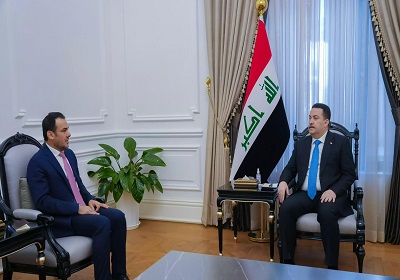
Prime Minister: The path of development will make Iraq a regional political and economic powerhouse
Seventh Baghdad International Dialogue Conference Call for Papers
Praise for the Baghdad International Dialogue: Strengthening Iraq's pivotal role and a meeting point for visions
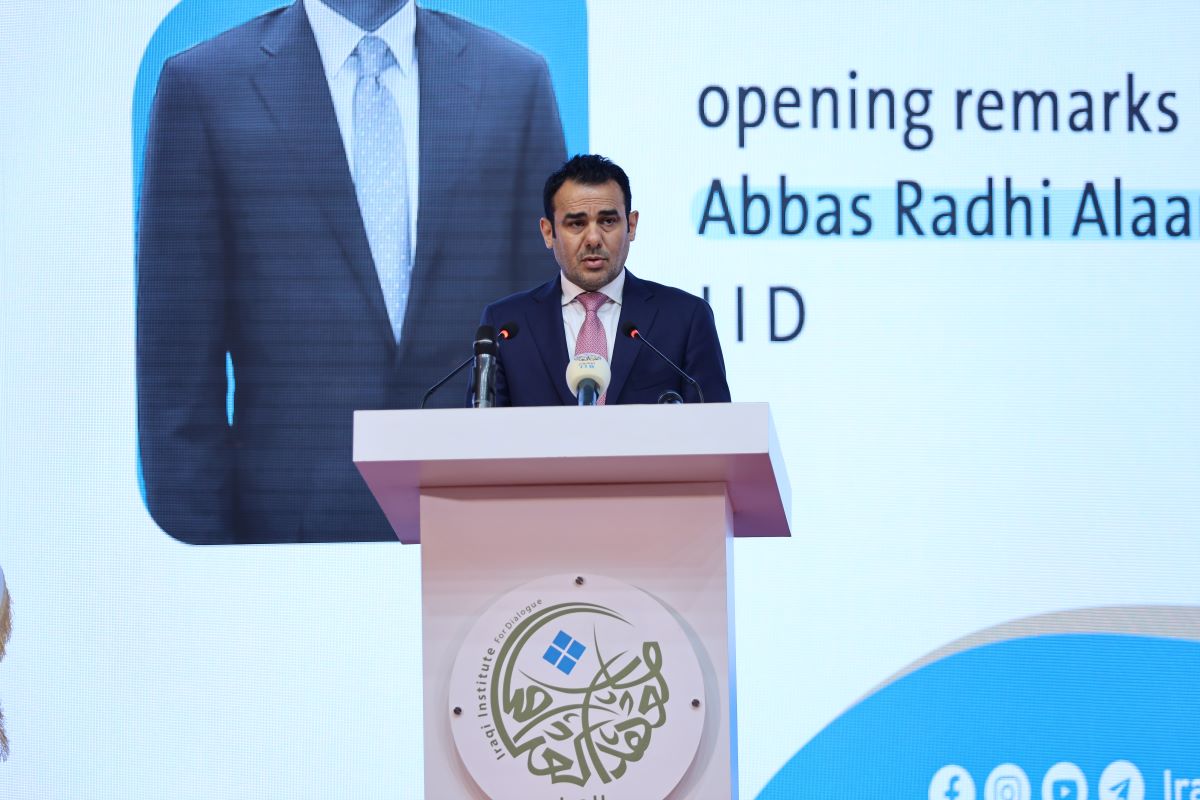
Comments