

Translation by the Iraqi Institute for Dialog
How is Russia quietly seeking to woo the world away from the West?
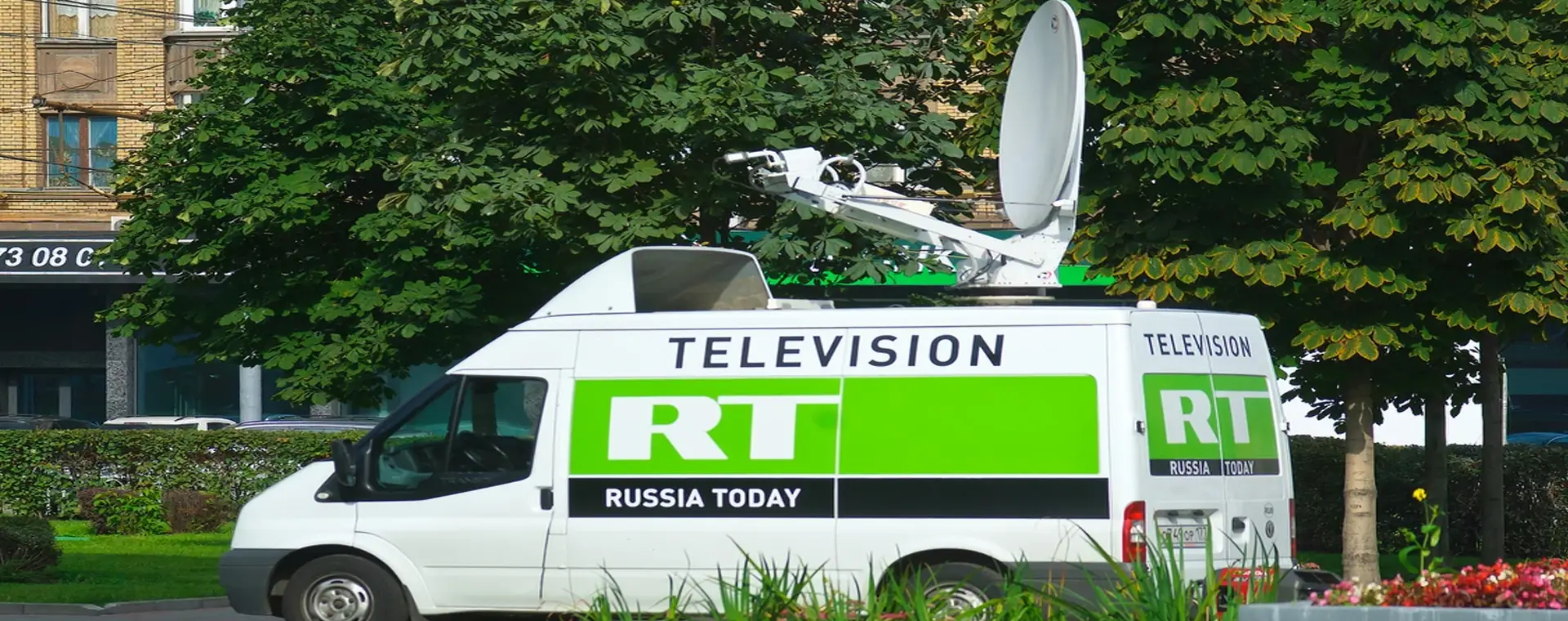
While the West has imposed extensive restrictions on Russian state media outlets such as RT and Sputnik, these networks have expanded significantly in other parts of the world, particularly in Africa and Latin America. This report explores the ways in which Russia is increasing its media influence in these regions, and how it is exploiting the gaps left by Western media to change the balance of power in the global system.
Silent Expansion Strategy
Over the past three years, RT and Sputnik have expanded their international presence, focusing on Africa, the Balkans, the Middle East, Southeast Asia, and Latin America. This expansion coincided with the banning of their activities in the US, UK, Canada, and the European Union after Russia's invasion of Ukraine in February 2022, on charges of spreading disinformation.
This expansion is deliberate and strategically guided. In 2023, RT opened an office in Algeria, launched a Serbian-language channel, and organized free training courses for journalists in Africa, Southeast Asia, India, and China. In February of this year, Sputnik opened a new newsroom in Ethiopia.
Exploiting gaps and "fertile ground"
Russia's expansion comes at a time when Western media outlets are visibly declining in some regions, as a result of budget cuts and shifting foreign policy priorities. For example, the BBC closed its Arabic radio station, allowing Sputnik to fill the void and launch a 24-hour service in Lebanon.
Stephen Hutchings, professor of Russian studies at the University of Manchester, describes these regions as "intellectually, culturally and ideologically fertile soil," especially because of anti-American, anti-Western and anti-colonialist sentiments. He notes that Russian media cleverly adjusts its content to suit the local audience, making it acceptable to a wide range of viewers who are not necessarily "gullible and misinformed."
Thoughtful Media Tactics
Despite the outward appearance of RT's websites as a normal news platform, an academic analysis of its content between 2017 and 2019 revealed a "very systematic bias." The study showed that the network focuses on "protests and social unrest in Europe" while highlighting "Russia's military maneuvers. The study showed that the network focuses on "protests and social unrest in Europe," while highlighting "military maneuvers in Russia."
The network also publishes false claims, such as calling the 2014 annexation of Crimea a "peaceful reunification," denying evidence of Russian war crimes in Ukraine, and calling the Bucha massacre a "hoax" despite overwhelming evidence provided by the United Nations and independent investigators.
The case of Chile: An example of quiet penetration
In Chile, Russian media took advantage of a local TV network called TeleCanal to suddenly broadcast an RT signal, angering viewers who had not been notified in advance. This quiet, unannounced hack sparked controversy and prompted local authorities to launch an investigation. This incident reflects the unconventional methods Russia is using to enforce its media presence.
Conclusion
Russia's media expansion in the Global South is part of a larger strategy aimed at undermining Western influence, justifying Russia's actions, and building new economic and political alliances. It is difficult to measure the direct impact of these media outlets, but the proliferation of Russian narratives, such as that NATO expansion was the cause of the Ukrainian war, shows that they have succeeded in influencing public opinion in some regions.
This report shows that Russia is exploiting the "weaknesses" of liberal democratic systems to present itself as a benevolent force in global politics, rather than an authoritarian state. The report recommends that the West should re-evaluate its international media budgets, as its retreat from the scene opens the door for other media outlets to fill the void, which could affect the future of world order and democracy.
Authors: Giuliana Gragnani and Maria Korniuk, editors at the BBC's Global Disinformation Unit.
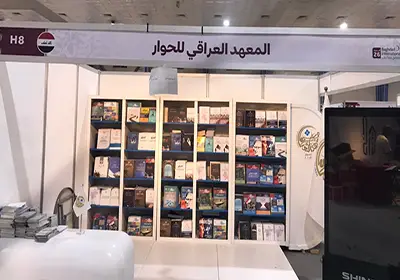
The Iraqi Institute for Dialogue, the logistical sponsor of the Baghdad International Book Fair, opens its own pavilion at the fair
Official agreement between Iraqi Institute for Dialogue and the Iraqi Media Network to sponsor The Seventh Annual International Conference of “Baghdad Dialogue” 2025
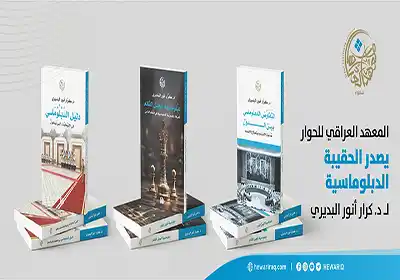
The Iraqi Institute for Dialogue publishes "The Diplomatic Portfolio" by Dr. Karrar Al-Badiri
Invitation to the 79th issue of Dialogue of Thought
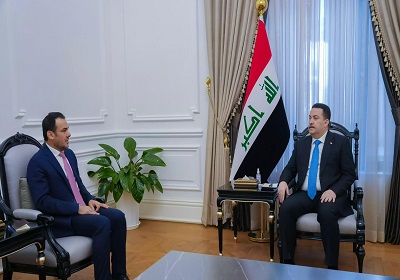
Prime Minister: The path of development will make Iraq a regional political and economic powerhouse
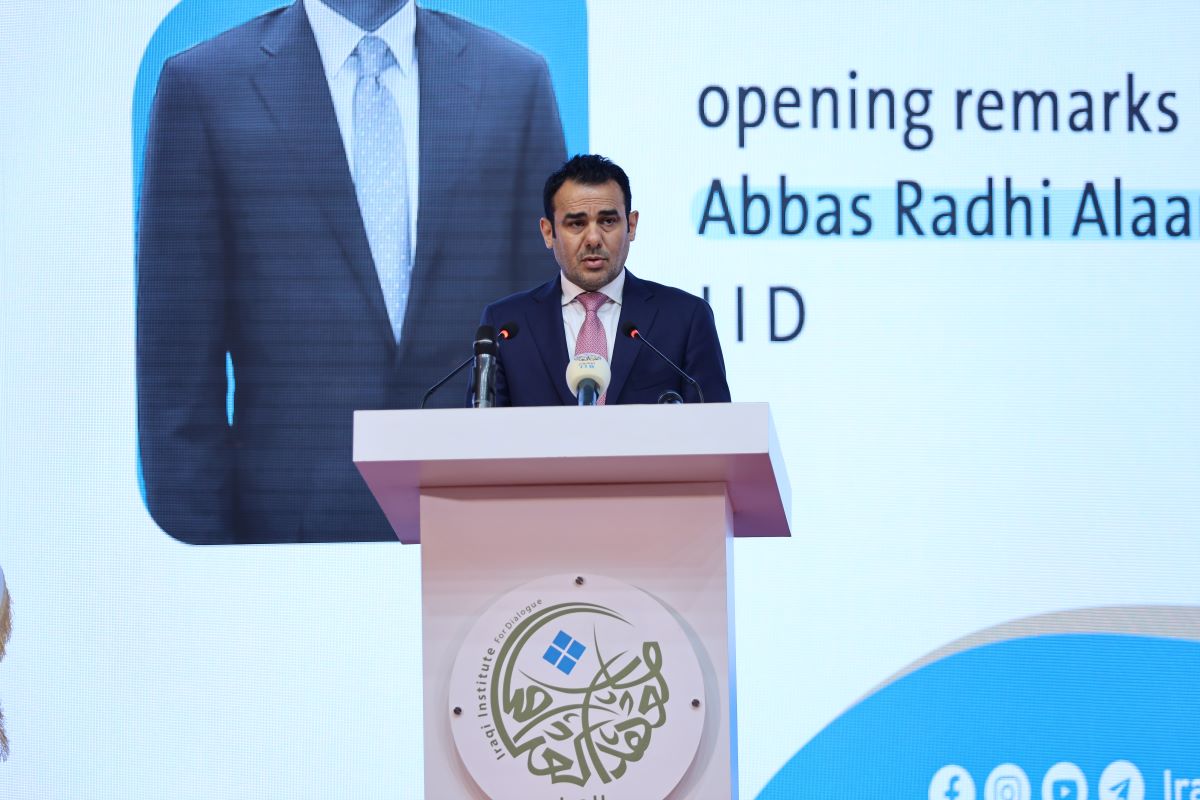
Speech of the Director of the Iraqi Institute for Dialog at the Sixth Baghdad International Dialog Conference
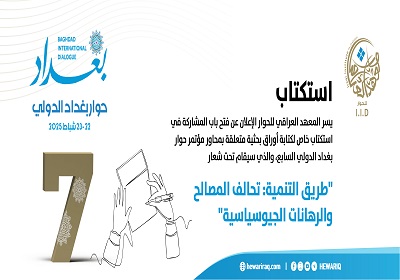
Seventh Baghdad International Dialogue Conference Call for Papers
Comments