

Translation: Iraqi Institute for Dialog
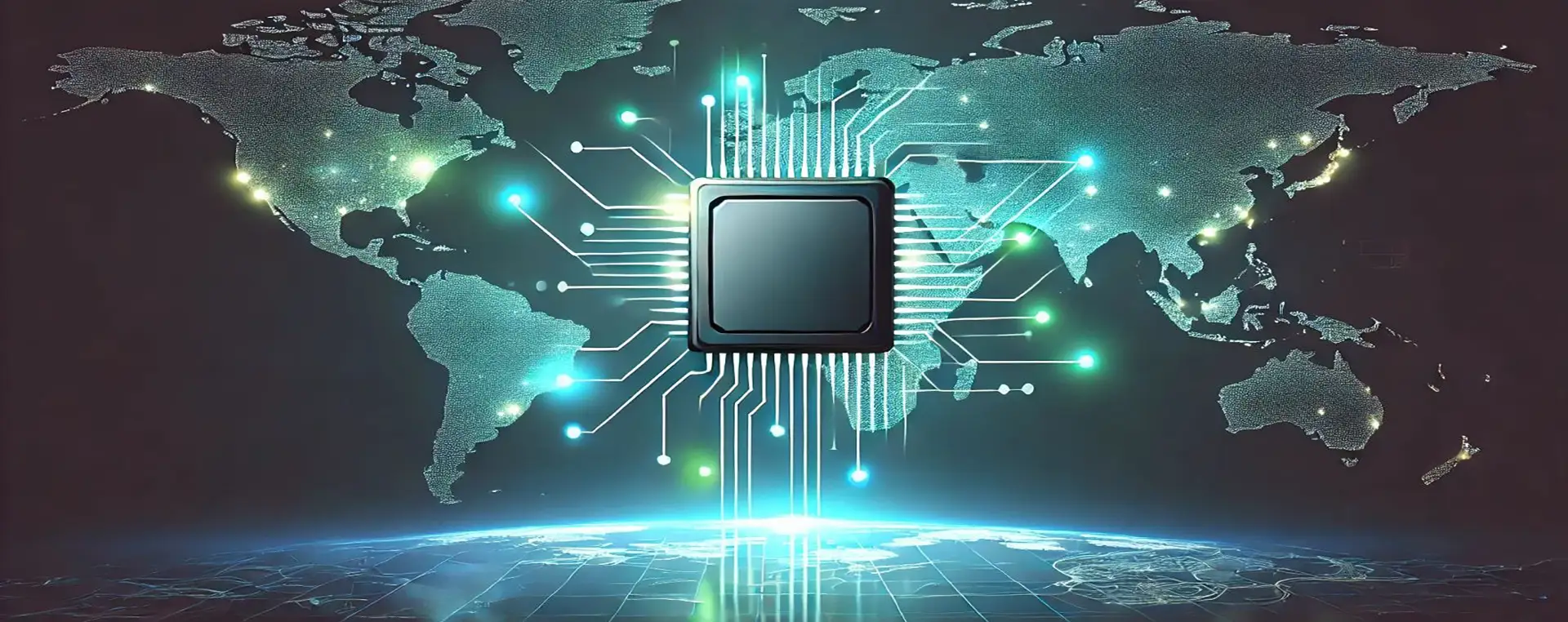
Whoever owns the chips owns the world: The Silicon Cold War
The international arena is witnessing an unprecedented race to control the chip industry, which is the backbone of the global digital economy and the basis for all technological innovations from artificial intelligence to advanced weapons systems. It has become clear that whoever controls this industry holds the keys to economic and military power, which has turned it into a new geopolitical battleground between major powers.
Chips: The oil of the 21st century
Chips are the "new oil." They are used in smartphones, computers, electric cars, medical equipment, and are central to the development of artificial intelligence and supercomputing systems. This ubiquitous dependence has made controlling supply chains a strategic weapon as important as possessing traditional energy sources.
The United States and China: Battle for control
The United States and China are at the center of the rivalry. Washington realizes that its technological superiority depends on maintaining its leadership in advanced chip design, and has imposed strict restrictions on the export of critical technologies to Chinese companies such as Huawei and SMIC. The administration has also poured billions of dollars through the Chip and Science Act to boost the domestic industry and attract global companies.
Beijing sees dependence on the West in this area as a direct threat to its national security, prompting it to invest heavily in self-sufficiency, with a strategic program called "Made in China 2025." However, the U.S. embargo hinders its access to advanced chip manufacturing equipment, requiring additional years to close the gap. However, the US embargo hinders its access to advanced chip manufacturing equipment, making it need additional years to close the gap.
Taiwan: The global epicenter of tension
Taiwan occupies a highly sensitive position in this Cold War, with TSMC accounting for the largest proportion of global advanced chip production. Any threat to the island's stability means not only a geopolitical crisis, but a paralysis of global supply chains, which explains why Washington is determined to protect it and reinforce its military presence in the Pacific.
Europe, Japan, and Korea: Between equilibrium and dependency
Europe, for its part, is seeking to reduce its dependence on foreigners through the "European Chip Act," which aims to double its global market share, while Japan and South Korea find themselves between the hammer of an alliance with Washington and the anvil of economic interests with Beijing. As for Japan and South Korea, they find themselves between the hammer of the alliance with Washington and the anvil of economic interests with Beijing, especially since companies like Samsung and SK Hynix are pivotal players in the industry.
Future repercussions
This conflict raises profound questions about the future of the global economy:
Does it lead to fragmented supply chains and the emergence of competing technology clusters?
To what extent can chips become a tool of political and economic blackmail?
Will we see a technological arms race similar to the traditional Cold War, only this time with digital means?
Conclusion
"Whoever owns the chips owns the world" is no longer just a slogan, but a reality that is shaping the contours of the new international order. The Silicon Cold War is not only a struggle for markets, but also for influence, sovereignty, and the ability to control the future of technology, making it one of the most important challenges that will determine the balance of power in the 21st century.

The Iraqi Institute for Dialogue, the logistical sponsor of the Baghdad International Book Fair, opens its own pavilion at the fair
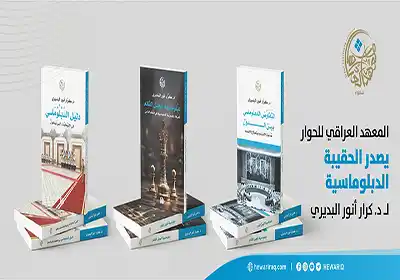
The Iraqi Institute for Dialogue publishes "The Diplomatic Portfolio" by Dr. Karrar Al-Badiri
Official agreement between Iraqi Institute for Dialogue and the Iraqi Media Network to sponsor The Seventh Annual International Conference of “Baghdad Dialogue” 2025

Invitation to the 79th issue of Dialogue of Thought
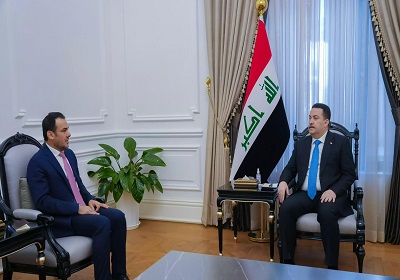
Prime Minister: The path of development will make Iraq a regional political and economic powerhouse
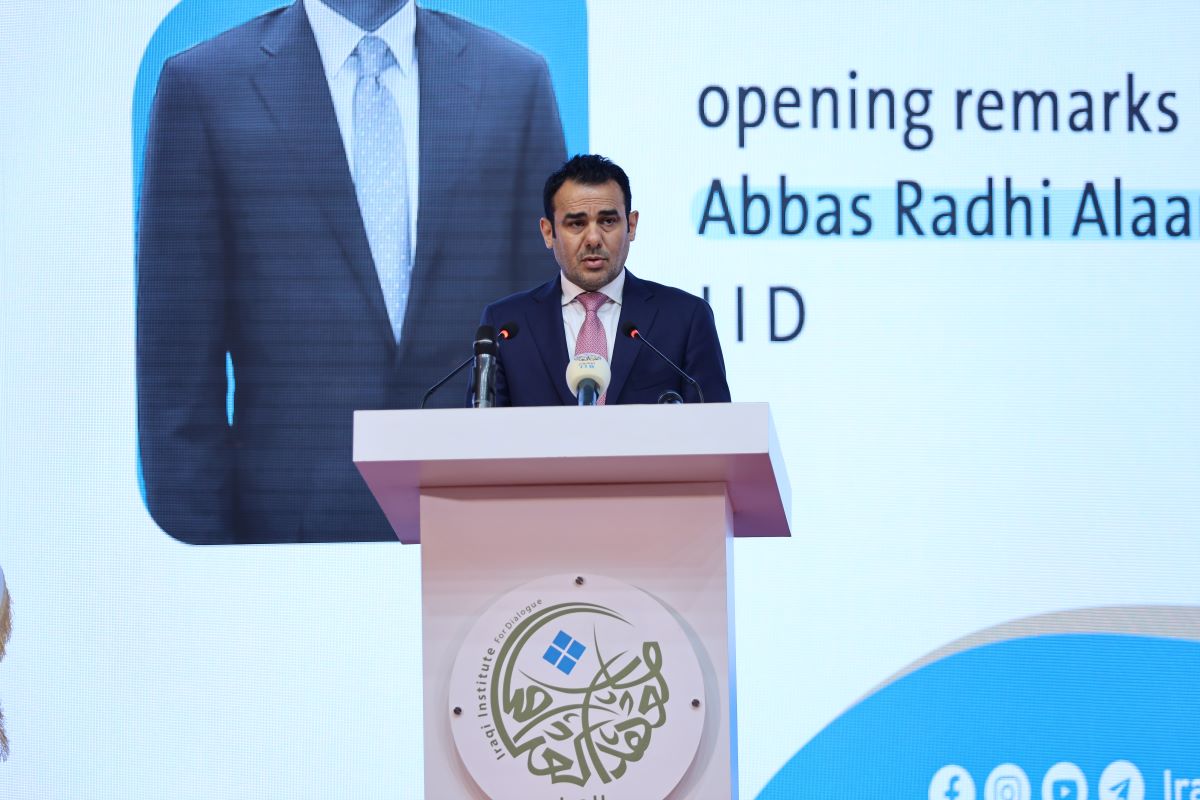
Speech of the Director of the Iraqi Institute for Dialog at the Sixth Baghdad International Dialog Conference
Seventh Baghdad International Dialogue Conference Call for Papers
Comments