


Translation: Iraqi Institute for Dialog
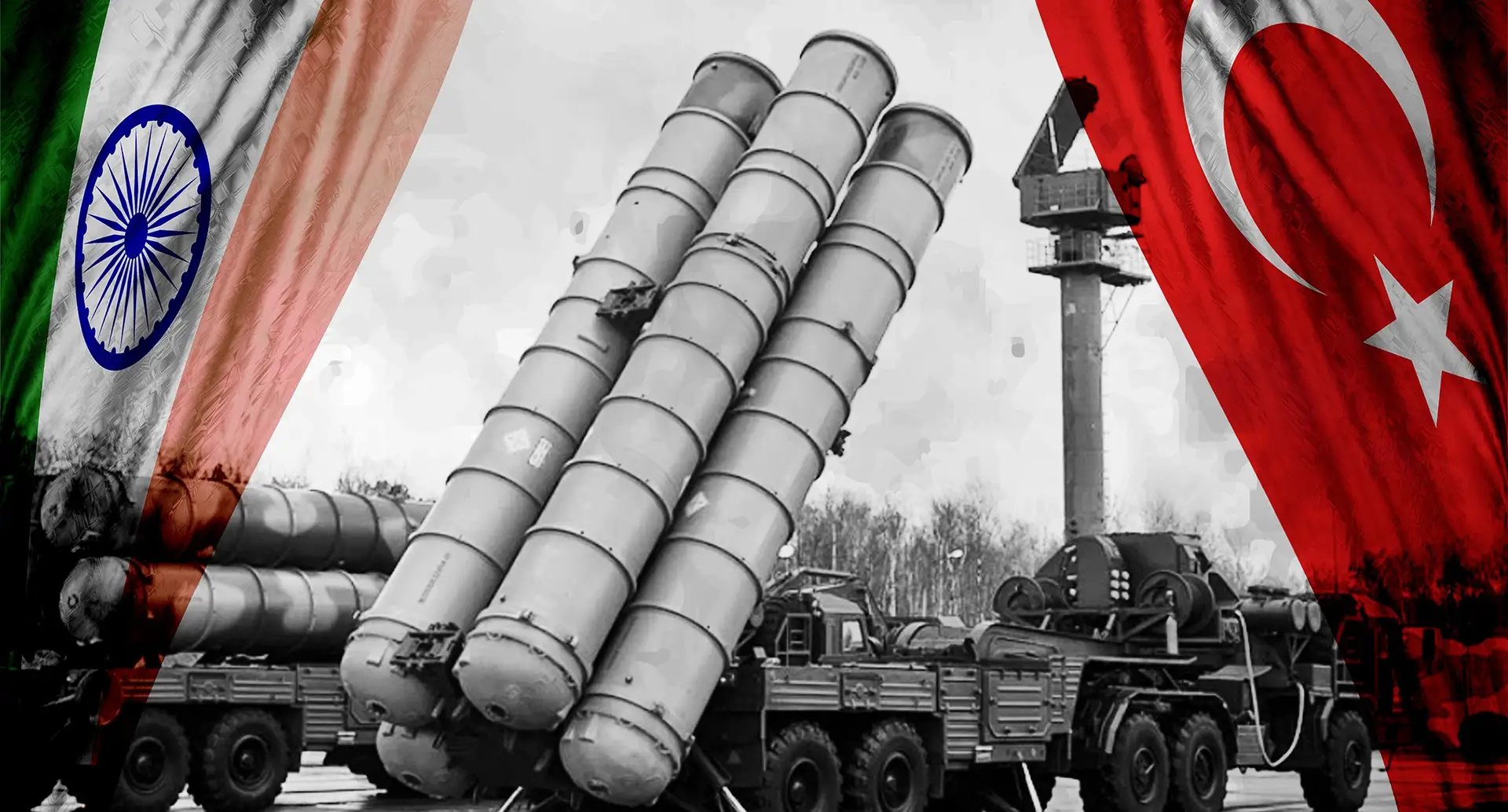
India, Turkey and the S-400: A potential deal with complex geopolitical implications
Turkish press reports have reignited the debate over the future of the Russian S-400 air defense system acquired by Ankara in 2019, after they indicated that it may be resold to India through indirect arrangements with Moscow. These developments raise many questions about strategic balances in Asia and Russian-Turkish-Indian relations, as well as their implications for Ankara and New Delhi's relationship with the United States and NATO.
Background to the Turkish-Russian deal
Turkey purchased the S-400 system from Russia in a deal worth $2.5 billion, and received two regiments of this advanced system. However, this move caused US sanctions on Ankara and brought it into a political confrontation with Washington and NATO, which made the activation of this system complicated and sensitive, as it has not been deployed practically until now, despite Turkish Defense Minister Yashar Guler's announcement in 2024 that his country could operate it within hours.
Russia between the Ukraine war and commitments with India
India signed a deal with Moscow in 2018 to purchase five S-400 units worth approximately $5 billion, of which only three units have been delivered to date, while the delivery of the remaining units has been delayed due to the repercussions of the war in Ukraine and the disruption of Russian military supply chains. In this context, the idea of Russia buying back the Turkish systems and re-exporting them to India emerges as a temporary solution to its obligations to New Delhi.
Ankara between Western pressures and interests with Moscow
Turkey still faces a strategic dilemma. On the one hand, it wants to maintain its partnership with Russia, which has developed in the fields of energy, trade, and defense, and on the other hand it does not want to provoke Washington and NATO any more than it already has. Allowing the systems to be returned to Russia-without selling them directly to India-may be a diplomatic way out for Ankara, showing that it has not violated its no-arms-export commitments, with Moscow taking responsibility for the re-export.
India and balancing concerns with China and Pakistan
India considers acquiring the S-400 to be critical in light of the arms race with China and the ongoing tension with Pakistan. Previous reports have raised concern in New Delhi that Ankara might sell the S-400 to Islamabad, which Turkey has repeatedly denied.
But if Ankara's systems are transferred to India, it will directly strengthen India's defense posture against regional rivals.
American dimension
On the U.S. side, any additional Russian-Indian defense deal could further complicate Washington's relations with New Delhi, especially as the U.S. seeks to reduce India's reliance on Russian arms and encourage it to diversify its sources of armaments.
However, India remains in the exceptional position of being a key partner in the US strategy to counterbalance China in the Indo-Pacific region.
So far, there has been no official position from Moscow or Ankara on these reports. But the mere fact that the idea of reselling S-400s via Russia to India is being floated reveals the geopolitical complexities surrounding this deal, while also reflecting the overlap between defense interests and political pressures that both Turkey and India face in their relations with major powers.
Possible scenarios for the future of the S-400 between Turkey and India
1. Completing a transaction via re-export
Path: Russia recovers the systems from Turkey, upgrades them and delivers them to India as part of the 2018 contract.
Reflections:
India: Rapidly boosting its defense capabilities without waiting for war-affected Russian production lines to be completed.
Turkey: Breaks out of the dilemma of having systems it cannot use effectively, and eases Western pressure by showing that it did not sell them directly.
Russia: Maintains commitments with a strategic partner like India and shows flexibility in the face of Western sanctions.
U.S. and NATO: Cautious about the move, but objection may be less severe than a direct sale to Pakistan or another hostile party.
2. Turkey's refusal to give up the systems
Track: Ankara emphasizes its commitment to the systems and their gradual operation despite Western pressure.
Reflections:
Turkey: Facing more tension with Washington and possibly additional sanctions, but showing independence in its defense decision-making.
India: Will have to wait longer for Russia to complete production and delivery of the remaining units, weakening its near-term defense position vis-à-vis China.
Russia: Under more pressure to accelerate its commitments to New Delhi despite sanctions and cumbersome supply chains.
3. Cancel or freeze the tripartite agreement
Track: Turkey is not returning the systems and Russia is not delivering additional units to India anytime soon.
Reflections:
India: May accelerate defense cooperation with the US and France (defense systems such as Patriot or Aster-30) to reduce dependence on Russia.
Turkey: Trapped by Western pressure, fails to find a practical way out of the S-400 crisis.
Russia: Loses partial trust from a strategic partner like India, which may prompt the latter to diversify its defense partnerships.
4. Greater political understanding
Track: The system is linked to a broader political deal or understanding involving energy or regional relations.
Reflections:
India: Getting greater strategic guarantees from Moscow.
Turkey: It may bargain with Washington or Brussels for concessions on other files (e.g. F-16 modernization or the EU file).
Russia: Invests in this move to strengthen its alliances outside the Western axis.
According to observers, the most likely scenario in the short term is the return of the systems through Russia to India as a compromise, given the realistic pressures on Moscow to meet its defense commitments with New Delhi, and Turkey's desire to relieve the burden of the system without entering into a direct confrontation with NATO.
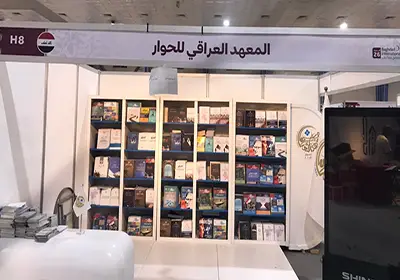
The Iraqi Institute for Dialogue, the logistical sponsor of the Baghdad International Book Fair, opens its own pavilion at the fair
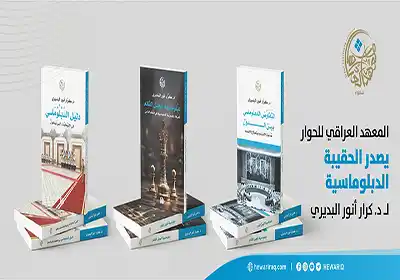
The Iraqi Institute for Dialogue publishes "The Diplomatic Portfolio" by Dr. Karrar Al-Badiri
Official agreement between Iraqi Institute for Dialogue and the Iraqi Media Network to sponsor The Seventh Annual International Conference of “Baghdad Dialogue” 2025

Invitation to the 79th issue of Dialogue of Thought
Prime Minister: The path of development will make Iraq a regional political and economic powerhouse
Seventh Baghdad International Dialogue Conference Call for Papers
Praise for the Baghdad International Dialogue: Strengthening Iraq's pivotal role and a meeting point for visions
Comments