

By Stephanie Hausheer-Ali and Cranston Klein - Translation by the Iraqi Institute for Dialog
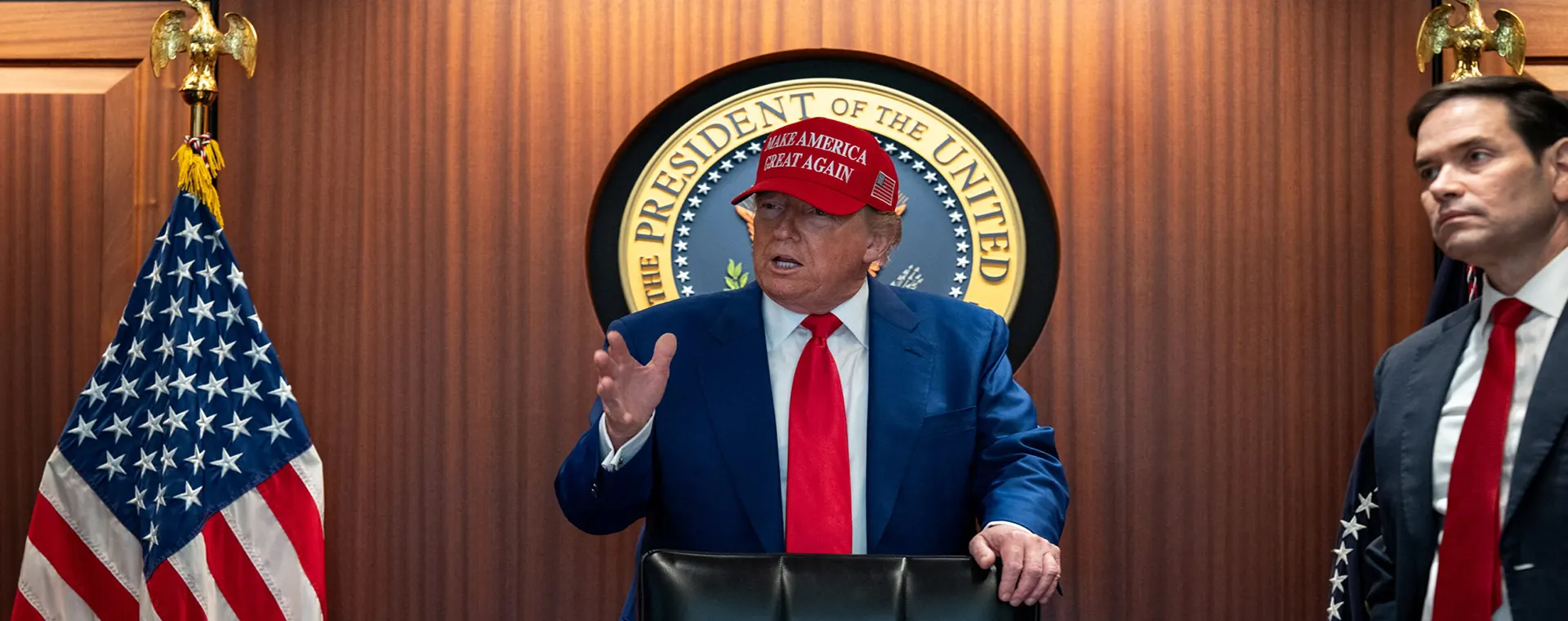
The Grand Bargain with Iran Trump's Last Dream?
The brief twelve-day fighting between Israel (backed by the United States) and Iran last June, along with the recent ceasefire between Israel and Hamas, has raised new questions about whether a deal with Tehran is now possible.
The Gaza ceasefire shows that when U.S. President Donald Trump personally intervenes and employs all U.S. pressure tools and his "creative" negotiating ability, the impossible becomes possible. Although there is still a long way to go to ensure that the conflict does not recur, the Trump administration may seek to build on this momentum to achieve a broader deal involving Iran, as Trump hinted at in his recent speech to the Israeli Knesset.
Washington and Tehran now have two possible paths before them:
A comprehensive negotiated agreement may achieve a long-term settlement.
Or a fragile truce punctuated by intermittent rounds of conflict.
Scenario one: A "mega" deal
Achieving what Trump described as a "great and beautiful deal" requires the United States to give Iran a path toward sanctions relief, economic integration into regional development projects, and assurances that it will not be subject to another Israeli attack.
Despite the significant difficulties of this path, it could bring strategic benefits to all sides - and perhaps even a Nobel Peace Prize for Trump, as his supporters hope.
Stephen Hadley, a former US national security advisor, and Vali Nasr, an expert on Iranian affairs, believe that such an agreement could influence the internal debate within Iran about its future, especially after the recent war revealed its military fragility, and that the Supreme Leader may agree to these terms.
In return, Iran would be required to reduce uranium enrichment to 3.6 percent for civilian purposes and allow extensive inspections by the International Atomic Energy Agency (IAEA).
Iran is unlikely to halt its domestic program, but a compromise could be found through an offshore joint venture (such as Oman), where uranium would be enriched under regional supervision and then returned for use in power plants inside Iran.
Tehran will also be required to curb its missile program and reduce its support for regional allies such as Hezbollah, the Houthis, Hamas, and Iraqi factions-issues not addressed in the 2015 deal.
For this scenario to work, Tehran must see the deal as better than the alternatives. Its nuclear program is a source of pride and a deterrent that cannot be abandoned without a clear political quid pro quo. Any Iranian negotiator will face pressure from the Revolutionary Guards and the conservative movement to preserve the regime's core military capabilities.
For its part, the United States needs to restore trust with Tehran and offer assurances that it will not withdraw again from the deal, along with a formula that prevents Israel from launching future attacks on Iran in exchange for Iranian commitments not to develop a clandestine nuclear program or arm militias.
To encourage Israel to accept, Washington may offer enticing defense deals or mediation to stop Houthi attacks on Israeli ships.
Scenario Two: "Toxic Stalemate"
In the second scenario, the situation remains in a state of turbulent stalemate: No real agreement or all-out war, just chronic tension and a constant potential for explosion.
Iranian Foreign Minister Abbas Araqchi recently said that his country and the United States are exchanging messages through intermediaries, and that Iran "will study any reasonable and balanced proposal" but will not give up its right to enrich uranium - something Washington currently rejects.
This scenario carries significant risks:
The possibility of new Israeli attacks inside Iran if Tehran crosses "red lines," such as restarting enrichment facilities or supporting factions again.
draining Israel's defenses of expensive interceptor missiles, especially if the U.S. is involved in any confrontation.
The risk of internal economic and political collapse in Israel as a result of repeated wars.
In turn, Iran may seek more aggressive deterrence through retaliation, cyberattacks, or targeting U.S. interests in the region.
In the event of renewed conflict, the Iranian regime could collapse or harden further, increasing regional instability.
Conclusion:
A comprehensive deal remains the best option for all parties, but it is the most difficult to achieve due to mistrust, conflicting interests, and security and political complexities.
A continuation of the current situation threatens to turn the region into a "toxic stalemate," punctuated by intermittent outbursts of violence.
Still, some observers hope that Trump and his close advisors, such as Steve Witkoff and Jared Kushner, can use the success of the Israel-Hamas ceasefire to build a broader deal with Iran that shifts the confrontation toward a more stable and prosperous Middle East.

The Iraqi Institute for Dialogue, the logistical sponsor of the Baghdad International Book Fair, opens its own pavilion at the fair
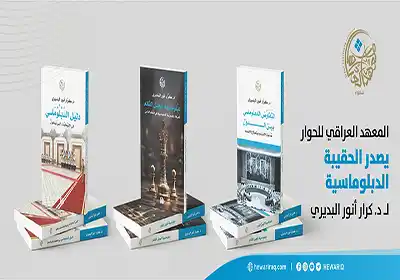
The Iraqi Institute for Dialogue publishes "The Diplomatic Portfolio" by Dr. Karrar Al-Badiri
Official agreement between Iraqi Institute for Dialogue and the Iraqi Media Network to sponsor The Seventh Annual International Conference of “Baghdad Dialogue” 2025
Invitation to the 79th issue of Dialogue of Thought
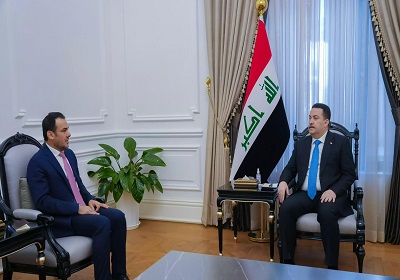
Prime Minister: The path of development will make Iraq a regional political and economic powerhouse
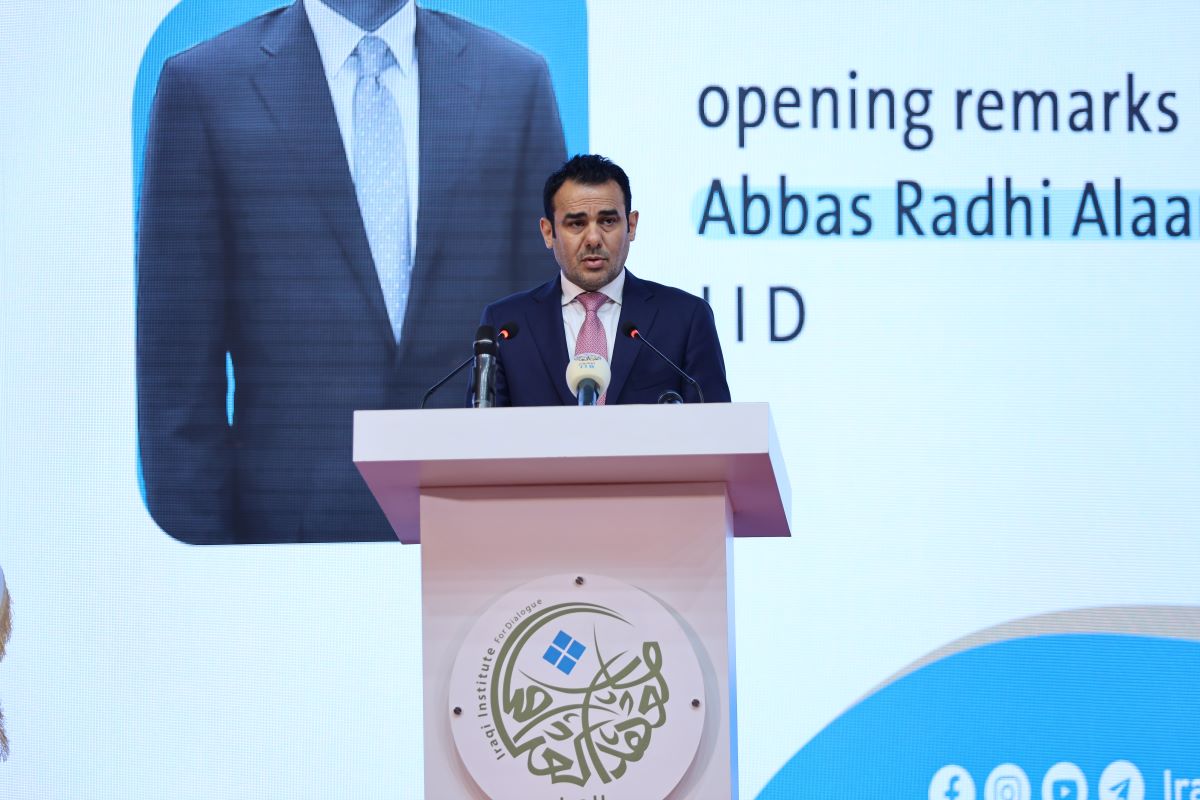
Speech of the Director of the Iraqi Institute for Dialog at the Sixth Baghdad International Dialog Conference
Seventh Baghdad International Dialogue Conference Call for Papers
Comments