

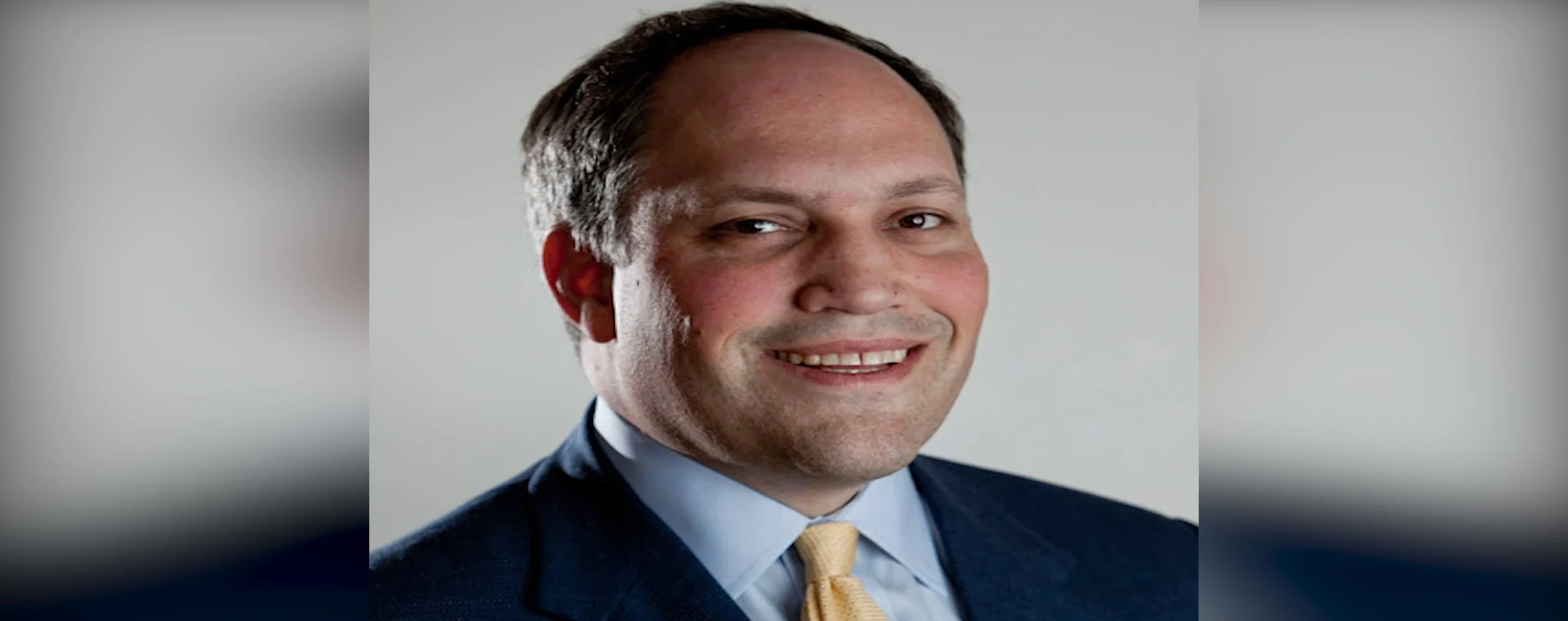
By Michael Rubin - Translation: Iraqi Institute for Dialog
The Positivity of Uncertainty in the Iraqi Elections
Iraqis went to the polls to choose a new government, the sixth parliamentary election in two decades. Iraqis await the outcome, many with cynicism, some with enthusiasm stemming from their ideology or their hope that their wasta - their influence and connections - will enable them to obtain a prestigious or lucrative seat in the Iraqi civil service if they are associated with the right politician.
The one thing Iraqis can agree on is that they don't know what the elections will bring.
Determining how many seats each party wins is only the first step. Iraqi party leaders-some elected, most operating in the shadows-will compete to form coalitions, while simultaneously working to create an inclusive government in which all major sects and identities feel represented. By tradition, not law, the Kurds hold the presidency, the Sunnis head the parliament, and the Shiites are prime ministers.
While Americans still view Iraq through the prism of President George W. Bush's controversial decision to invade the country, Iraq today is a different country. Three-quarters of the country's population may have been born after Saddam Hussein, or have no real memory of him; even the memory of the U.S.-led occupation is fading. Sunnis in Ramadi and Fallujah wonder when U.S. Marines might return as tourists; the violence and hatred that accompanied the insurgency are as distant from Anbar today as the Vietnam War was from the Vietnamese when President Bill Clinton restored relations.
Iraqi political culture has changed. Campaigning for today's elections began months ago. A generation ago, Iraqis were afraid to talk politics or criticize Saddam's government. This fear persists, ironically, in Iraqi Kurdistan, where KDP leader Masoud Barzani and his sons Masrour and Wisa have imposed a Baathist style of leadership that could lead to ruin, if not imprisonment and death, for those who criticize. But in the rest of Iraq, criticism is common and widespread.
If incumbency is synonymous with lifelong survival in most Arab countries, it is not so in Iraq, where Iraqis punish those they deem incompetent and corrupt. The incumbency rate in Iraq is less than 40 percent, and after several elections it is closer to 25 percent. In contrast, the incumbency rate in Congress is close to 80 percent, and often higher. In November 2019, Iraqi youth dissatisfaction with Prime Minister Adel Abdul Mahdi reached such a level that they took to the streets, eventually forcing his early departure.
While armed factions-both Shia and Kurdish-seek to distort the electoral will, their influence is limited by the fact that none of them has a monopoly on power. Personal differences and divisions are rife even among Iranian-backed groups, especially when competition for money is a driving factor. Contrary to what many U.S. observers believe, money does not flow from Iran's Islamic Revolutionary Guard Corps (IRGC) to Iraqi armed factions, but in the opposite direction. Iraq is where the IRGC seeks to make money. As high-rise buildings, foreign hotel chains, highways, and bridges spread across the country, resentment against the powerful has reached its peak. When disputes over power or position erupt into violence, and innocent people are killed as collateral damage - as happened in mob shootings in Chicago in the 1930s - this anger becomes inflamed.
The question for Iraqis is whether the system is capable of absorbing their anger. The United Nations and former CPA administrator Paul Bremer designed elections in Iraq to be radically different from those in the United States. Multiple candidates compete, appointed on party lists by unelected party bosses, creating a system that forces aspiring politicians to earn the loyalty of party machinery, often by exaggerating sectarian or ethnic interests. While Iraq has reformed its electoral districts over time - the nationwide voting system previously used to facilitate the administration of elections has disappeared - the fact remains that Iraqi politicians seek to appease party leaders more than voters. Corrupt, unaccountable power brokers at the ballot box determine the shape of the government more than the voters.
While it is a cliché to say that every election is a turning point, frustration with the regime and the old guard may peak in the coming weeks and months. Current Prime Minister Mohammed Shi'a al-Sudani is vulnerable. While the lives of ordinary Iraqis have greatly improved under his watch, he has only overseen the infrastructure development promised by the Americans - he was hampered by the wiretapping scandal at the beginning of his term. He retained his position not because he defeated the charges, but because both rivals and outside powers like the Islamic Republic of Iran prefer a weak prime minister to a strong figure who is less susceptible to manipulation.
This desire for vulnerability does not go beyond elections. Former Prime Minister Nouri al-Maliki, a prominent Shia political figure and one of Iraq's most corrupt former leaders, is determined to return to the political arena while he still can: He is 75 years old and suffering from a series of health issues. Isolated from the general public by checkpoints and bodyguards, he doesn't fully realize how different Iraq has become in the 20 years since he took power.
Indeed, as Maliki aspires to return to the presidential palace, his desire for one last commemoration heralds the end of a generation of post-war leaders. Iyad Allawi, Ibrahim al-Jaafari, Maliki, Haider al-Abadi, and Abdul Mahdi are all in their 70s or 80s and in poor health. So are other political figures such as Badr Corps commander Hadi al-Amiri and Kurdistan Democratic Party (KDP) leader Masoud Barzani. Meanwhile, rival Kurdish leader Pavel Talabani faces public questions about his mental stability; bipolar disorder and depression run in his family on his mother's side.
This leaves few who might survive the pressures of time. Qais al-Khazali, only 51 years old, is striving to transform himself into an acceptable, if not revered, figure, as has 52-year-old Muqtada al-Sadr. As the Talabani family collapses, Barzani seeks to empower his son Masrour, 56, and grandson Erin, 24.
But each has a complex history that weighs on their ambition for transformation and change. The United States once labeled Khazali a terrorist. Al-Khazali seeks to break out of his isolation, but he and his brother cannot easily shed the stigma of being associated with shady business interests. Sadr seeks to cloak himself in the cloak of anti-corruption, but that is difficult when he is allied with Barzani, perhaps Iraq's most corrupt leader.
These dynamics, and the accompanying disillusionment, reinforce the broader issue: For anyone who condemns Iraqi democracy, such debates and assessments would result in long prison sentences in any other Arab country; in Iraq, these debates take place openly every day in every Kurdish café, burger joint, or social club. At the same time, it opens the door to an unexpected candidate, such as a governor from outside Baghdad. This ambiguity can be healthy.
When Arabs talk about representation and legitimacy, and foreign diplomats talk about inclusive government, they are talking about Iraq. Perhaps it's time for Americans to stop beating themselves up over a war more than two decades ago and recognize that, for better or worse, the new Iraq has become a model for democracy in the region.
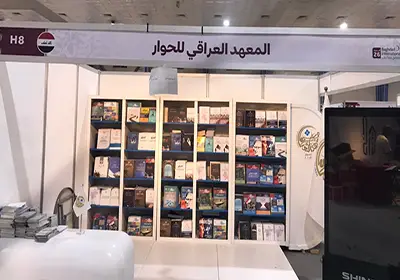
The Iraqi Institute for Dialogue, the logistical sponsor of the Baghdad International Book Fair, opens its own pavilion at the fair
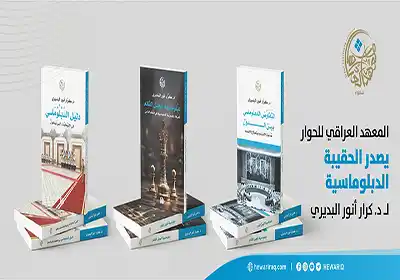
The Iraqi Institute for Dialogue publishes "The Diplomatic Portfolio" by Dr. Karrar Al-Badiri
Official agreement between Iraqi Institute for Dialogue and the Iraqi Media Network to sponsor The Seventh Annual International Conference of “Baghdad Dialogue” 2025
Invitation to the 79th issue of Dialogue of Thought
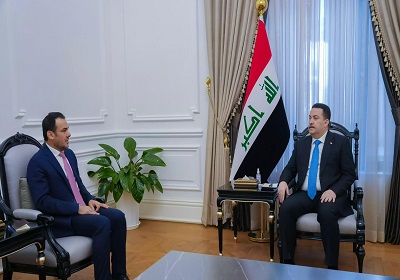
Prime Minister: The path of development will make Iraq a regional political and economic powerhouse
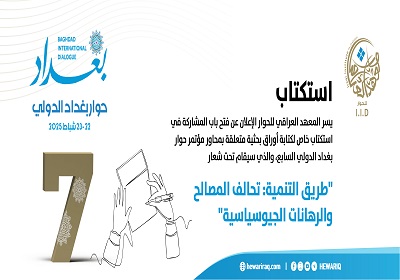
Seventh Baghdad International Dialogue Conference Call for Papers
Praise for the Baghdad International Dialogue: Strengthening Iraq's pivotal role and a meeting point for visions
Comments