

Pakistan-Saudi-Turkey Axis: A Draft of a New Regional Order
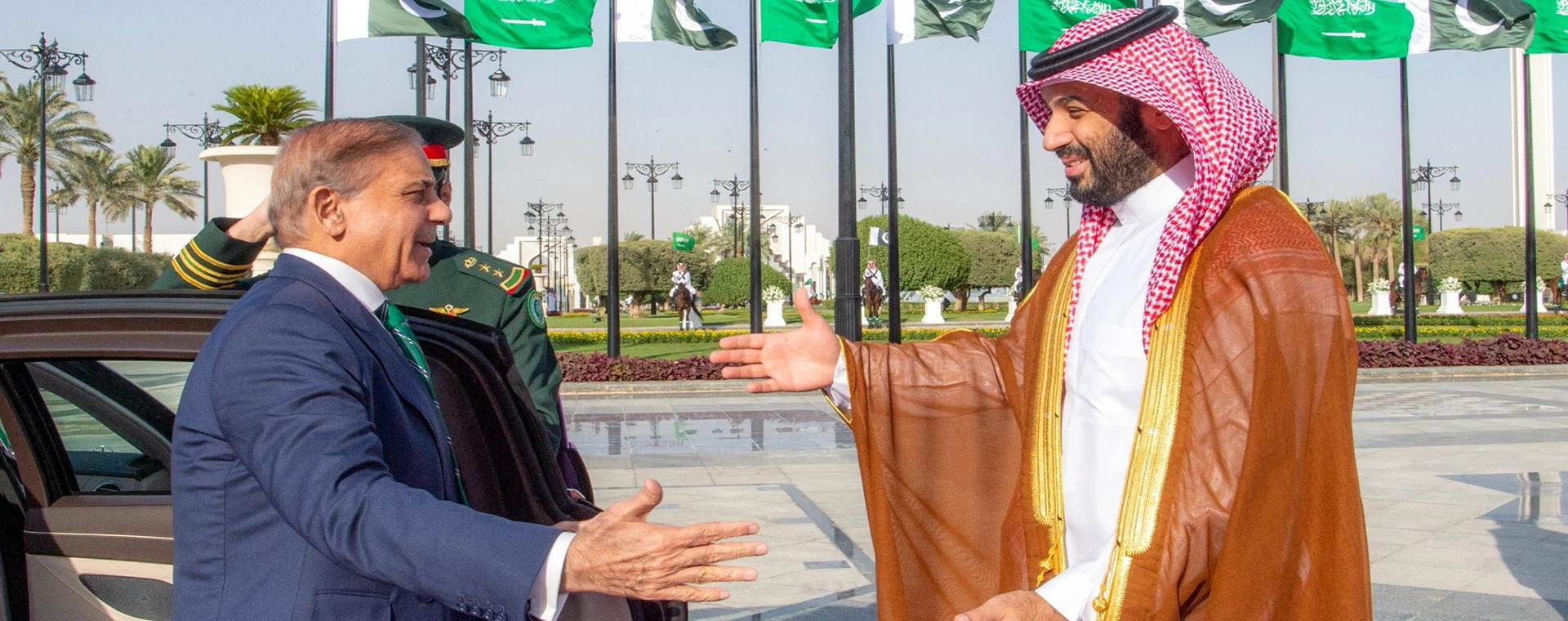
Pakistan, Saudi Arabia and Turkey have drafted a trilateral defense pact after nearly a year of talks, Pakistan's defense production minister says, in a move that signals a move toward creating a new regional security bloc independent of Western alliances. And while Turkish officials confirmed talks were taking place, they made it clear that no deal had yet been signed. This potential partnership aims to build a collaborative platform to counter instability, terrorism and external “hegemons” in a highly volatile region.
What happened?
Pakistan's defense production minister, Reza Hayat Haraj, said a draft defense pact between Pakistan, Saudi Arabia and Turkey was "already in the works" after 10 months of deliberations.
He explained that the proposed tripartite deal is separate from an existing bilateral agreement between Saudi Arabia and Pakistan, and that the draft is currently under review by the three governments pending a final consensus.
And Turkish Foreign Minister Hakan Fidan confirmed talks on the matter, but stressed that no agreement had been signed, describing the discussions as part of President Recep Tayyip Erdogan’s vision to create a comprehensive regional security platform.
Fidan stressed the need for broader regional cooperation to overcome the distrust that leads to external interventions, terrorism and instability.
Why does it matter?
This development represents an important step toward formalizing a non-Western security axis led by Muslim-majority countries, which could lead to the creation of a NATO-like structure in the Middle East and South Asia that operates outside U.S. or Chinese orbit.
This alliance directly addresses the three countries’ shared security concerns: Pakistan’s tension with India, Saudi Arabia’s competition with Iran, Turkey’s conflicts with Kurdish groups and its strained relations within NATO.
"It also signals a strategic shift by U.S. security partners (Pakistan and Turkey are treaty allies, Saudi Arabia is a major U.S. arms customer) toward developing independent collective defense capabilities and reducing reliance on U.S. security assurances."
The nearly decade-long period of preparation of the agreement reflects a deliberate strategic response to recent regional escalations, including the Iran-Israel war and the withdrawal from Afghanistan, with the aim of providing a stable regional balance.
Possible repercussions
The agreement could lead to joint arms production, intelligence integration, and contingency planning, directly challenging Iran's regional network of influence, and could alter the balance of power in conflicts stretching from Yemen to Kashmir.
This could force the United States to reassess its alliances, particularly with Turkey (a NATO member) and Pakistan, if the new bloc adopts positions that run counter to Washington's interests, especially regarding Iran or China.
The alliance could also contribute to Iran's increasing isolation, pushing it either to escalate its military partnerships with Russia and China or to seek a diplomatic settlement with its more coordinated neighbors.
This development introduces a new twist in the great power competition, by offering an alternative regional system that is not entirely subordinate to either the US-led system or the China-Russia axis, which could attract other Muslim countries such as Egypt or Indonesia.
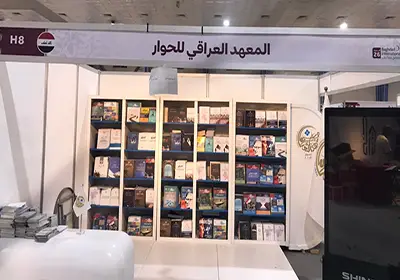
The Iraqi Institute for Dialogue, the logistical sponsor of the Baghdad International Book Fair, opens its own pavilion at the fair
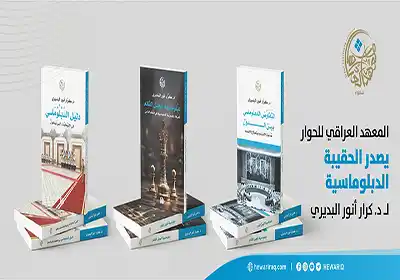
The Iraqi Institute for Dialogue publishes "The Diplomatic Portfolio" by Dr. Karrar Al-Badiri
Official agreement between Iraqi Institute for Dialogue and the Iraqi Media Network to sponsor The Seventh Annual International Conference of “Baghdad Dialogue” 2025
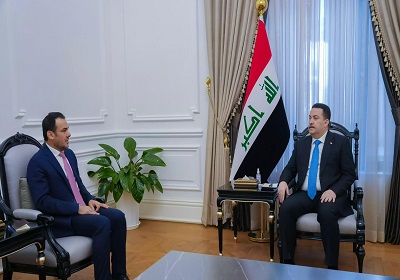
Prime Minister: The path of development will make Iraq a regional political and economic powerhouse
Invitation to the 79th issue of Dialogue of Thought
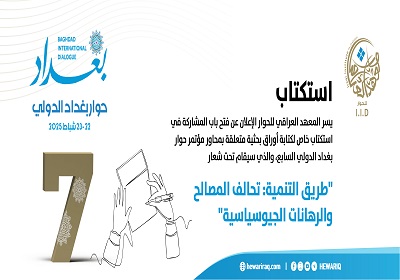
Seventh Baghdad International Dialogue Conference Call for Papers
Praise for the Baghdad International Dialogue: Strengthening Iraq's pivotal role and a meeting point for visions
Comments