







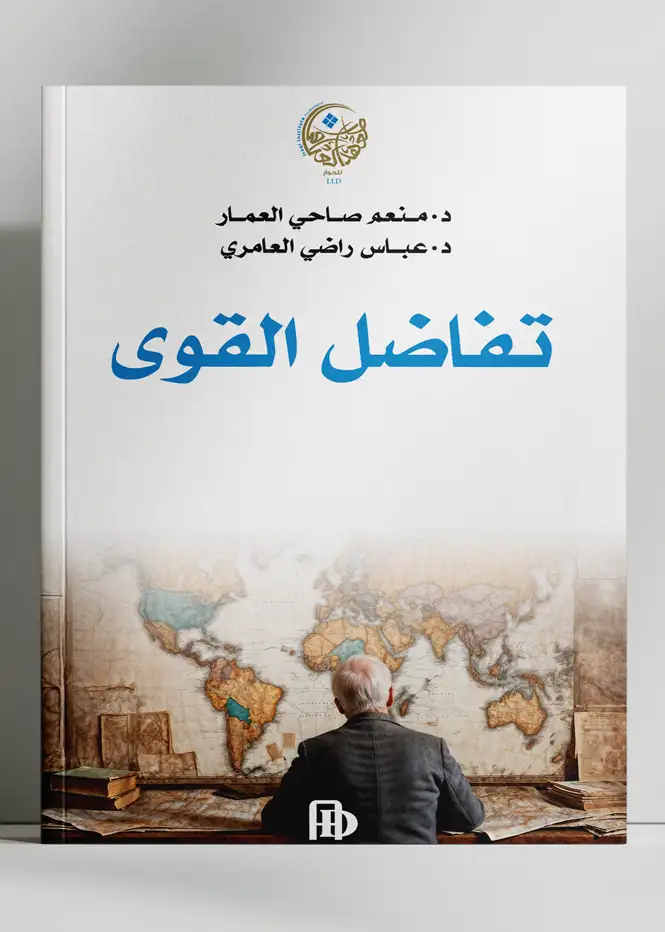
Differentiation of forces is a highly developed version of the balance of forces, not a replica. For example, the existence of a developing country that does not possess the conditions of internationally active power, but may possess an important resource of the world, or that it produces, for example, a thin layer of electronic chips, which will affect, and thus share the differentiation of forces, and this means that the characteristic is not total as in the balance of power, and the evidence is that the break-up of the balance of power leads to war, unlike the break-up of the balance in the sense of differentiation does not lead to war, but rather leads to a change in the ladder of power.
The difference between the balance of power and the differentiation of forces is the existence of balance policies, as it was previously believed that the forces that have the capabilities through which they can turn the force into an influence capacity, are the same ones that have the capabilities to adjust the balance, and they can cleverly turn themselves into a pole around which a group of protection seekers, such as the nuclear umbrella and others, and thus this country will have the capabilities to control performance; It has the potential for deterrence, as it can establish itself as a place of prestige and influence while establishing a kind of relative calm, or so-called shadow of balance.
While the differentiation of forces does not call for the possibilities of control and does not call for the intelligence of leaders as is the case with balance, but rather requires the ability to develop the pattern of power that it possesses, and this prompted the search for so-called balance policies.
You can get the book from Dar Adnan for printing, publishing and distribution.
📞 For communication: [009647707872436]
🌐 or through the Iraqi Institute for Dialog website.
price: 6000 Iraqi dinars
Fill in the fields, and we will contact you to complete the submission process.
Comments